

Nehemiah: The Book of Renewal and Covenant Leadership
Nehemiah tells how God’s people rebuilt walls and renewed hearts, proving that lasting change comes through prayerful dependence and courageous obedience.
On this Page
Introduction
Nehemiah is where broken walls become a canvas for faithful leadership and renewed hearts. The exile is over, the temple stands, but the city still lies in ruins. It is not only the eleventh of the Historical Books; it is the story of how God rebuilds His people through one who leads with prayer, courage, and conviction. Within its pages we meet the God who hears the cries of His servants, strengthens trembling hands, and restores both stones and souls for His glory.
The narrative divides naturally into two great movements: Rebuilding the Walls (Nehemiah 1–7) and Renewing the People (Nehemiah 8–13).
The Rebuilding section opens with Nehemiah’s burden and prayer. A cupbearer in the court of Persia becomes a builder in the city of God. Through fasting, faith, and bold petition, Nehemiah gains favor from the king and returns to Jerusalem to lead the work. Opposition rises from without and discouragement from within, yet the wall is finished in fifty-two days—proof that what God begins cannot be stopped by fear or force.
The Renewing section shifts from construction to consecration. Ezra reads the Law, the people weep, and worship returns to the city. Covenant renewal follows as the nation recommits to obedience and separates from compromise. But by the book’s end, Nehemiah again confronts complacency, showing that spiritual formation is never finished—it must be guarded with perseverance and grace.
These scenes teach that true restoration requires both strong hands and soft hearts. Walls can be rebuilt quickly, but character takes time. Nehemiah’s leadership blends prayer with planning, courage with compassion, and conviction with humility—an enduring model for every generation of God’s people.
Nehemiah is more than a story of reconstruction; it is a theology of renewal through faithfulness. It shows that revival begins with one who prays, listens, and obeys, trusting that God can do in months what human effort cannot do in years.
For believers today, Nehemiah calls us to rebuild what the enemy has torn down—our homes, our churches, and our witness to the world. It invites us to labor with prayerful dependence, to lead with integrity, and to finish the work God has placed in our hands.
Nehemiah shows us that walking with God means building with one hand and praying with the other.
It calls us to see leadership as service, prayer as power, and perseverance as worship. From exile to endurance, Nehemiah reveals a faithful God who restores His people and fortifies their hearts for His mission.
1. Title, Author, and Date
Title Meaning
English Title: Nehemiah — derived from the Hebrew name Neḥemyah (נְחֶמְיָה), meaning “Yahweh comforts.”
Greek Title: Nehemias (Νεεμίας), as preserved in the Septuagint.
The title fittingly captures the message of the book. Nehemiah’s life and leadership reflect the comfort and faithfulness of God toward His restored but struggling people. Through prayer, perseverance, and courage, God comforts Jerusalem — rebuilding not only its walls but the confidence of His covenant community.
Authorship
Tradition and internal evidence identify Nehemiah, the governor of Judah, as the primary author of the book that bears his name. Much of the narrative is written in the first person (Nehemiah 1–7; 12:27–13:31), reflecting the tone of a personal memoir.
Many scholars also recognize that Ezra and Nehemiah were originally a single continuous work, likely compiled or edited by Ezra the scribe after Nehemiah’s ministry. The stylistic and theological unity between Ezra–Nehemiah and 1–2 Chronicles strongly supports a shared authorship or literary circle under Ezra’s influence.
Under divine inspiration, the book was composed to demonstrate that God’s covenant people are called to rebuild faithfully — through prayer, work, repentance, and worship. Nehemiah’s leadership is not merely administrative but spiritual, modeling the heart of a shepherd who trusts God to complete His work through ordinary obedience.
Date
The events of Nehemiah span roughly 445–425 BC, during the reign of Artaxerxes I of Persia. The first return under Nehemiah occurs in 445 BC, when he receives permission to rebuild Jerusalem’s walls. His second visit (Nehemiah 13) likely takes place around 432 BC, after a brief return to the Persian court.
The composition date falls soon after these events — most likely around 430 BC, near the end of Nehemiah’s life and Ezra’s ministry. This makes Nehemiah one of the final historical books of the Old Testament, bridging the period between the prophets and the silence before Christ.
Historical Setting
Nehemiah begins in Susa, the Persian royal city, where Nehemiah serves as cupbearer to the king. Upon hearing that Jerusalem’s walls lie in ruins, he prays, fasts, and seeks permission to rebuild. The narrative then shifts to Jerusalem, where the returning exiles face external opposition and internal discouragement.
Through courage, strategy, and prayer, Nehemiah leads the people to complete the wall in fifty-two days (Nehemiah 6:15). Yet the greater work begins afterward — the spiritual rebuilding of the nation. Ezra reads the Law, the people repent, and covenant renewal is established (Nehemiah 8–10).
The book concludes with reforms addressing Sabbath neglect, mixed marriages, and temple corruption. Its historical focus is not merely on reconstruction but reformation — the restoration of holiness and covenant identity among God’s people.
Role in Redemptive History
Nehemiah serves as the final chapter of Old Testament history, completing the narrative arc that began in Genesis. It shows that God’s redemptive plan continues despite exile, opposition, and human frailty.
Theologically, Nehemiah illustrates the pattern of grace-driven obedience: God initiates restoration, His people respond in faith, and His purposes prevail. The book embodies the principles of discipleship and formation central to God’s covenant with Israel — repentance, worship, stewardship, and perseverance.
Nehemiah’s leadership foreshadows Christ, the ultimate Builder of God’s people (Matthew 16:18). Just as Nehemiah rebuilt Jerusalem’s walls amid opposition, Christ builds His Church against the gates of hell. The physical restoration of the city prefigures the spiritual restoration accomplished in the New Covenant.
📊 Book Stats
| Category | Detail |
|---|---|
| Chapters | 13 |
| Verses | 406 |
| Approx. Word Count (LSB) | 10,500 |
| Covenantal Role | Restoration of the covenant community through repentance, worship, and faithful leadership |
| Historical Span | From Nehemiah’s call in Susa (445 BC) → His reforms in Jerusalem (ca. 432 BC) |
Summary: Nehemiah is the story of faithful leadership in the ruins of a fallen world. It reveals that God accomplishes His work through those who pray fervently, act courageously, and persevere humbly. The book teaches that true restoration is never just about rebuilding walls — it is about restoring worship, renewing hearts, and reestablishing obedience to God’s Word.
For every believer, Nehemiah stands as a call to rebuild faithfully where God has placed us. It reminds us that divine comfort comes not through ease but through endurance. When God’s people work with one hand and pray with the other, His purposes advance and His glory is revealed.
2. Purpose and Themes
Purpose: The book of Nehemiah was written to record the rebuilding of Jerusalem’s walls and the spiritual renewal of God’s people after the exile. It reveals how faith, leadership, and perseverance can restore what sin and sorrow have broken. The book shows that divine restoration requires both prayerful dependence on God and faithful action in the face of opposition.
Central Purpose: Nehemiah demonstrates that God’s covenant promises not only bring His people home but rebuild their hearts in holiness and hope. The central message is that spiritual renewal begins with surrendered leadership and ends with communal obedience. Through Nehemiah’s courage and the people’s unity, God reestablishes the physical boundaries of Jerusalem and the spiritual boundaries of faith. The narrative teaches that true restoration involves the reconstruction of worship, the renewal of covenant life, and the rededication of God’s people to His Word.
Major Themes and Doctrines
- God’s Sovereignty in Restoration: The Lord orchestrates the heart of a Persian king and the efforts of a faithful servant to fulfill His purposes.
- Leadership and Obedience: Nehemiah models godly leadership rooted in prayer, integrity, and perseverance.
- Prayer and Dependence: Every major event begins with prayer, emphasizing that success in God’s work comes through communion with Him.
- Rebuilding and Renewal: The physical rebuilding of the wall mirrors the spiritual rebuilding of the people’s faith and identity.
- The Power of God’s Word: Ezra’s public reading of Scripture leads to repentance, joy, and covenant renewal.
- Holiness and Reform: The book concludes with renewed commitment to purity, worship, and covenant faithfulness.
Doctrinal Contributions
- God fulfills His promises through faithful servants who act in dependence on Him.
- True leadership in God’s kingdom begins with prayer, humility, and courage.
- Renewal is both personal and communal — spiritual formation must shape the life of the whole people.
- The reading of God’s Word restores joy, obedience, and unity among the redeemed.
Literary Features
Nehemiah is written as a first-person memoir interwoven with historical records, prayers, and covenant documents. The structure divides into two major movements: the rebuilding of Jerusalem’s walls (Nehemiah 1–7) and the spiritual renewal of the people (Nehemiah 8–13).
The narrative’s rhythm alternates between conflict and prayer, progress and reform, portraying the real-life tension of discipleship amid opposition. The partnership between Nehemiah’s leadership and Ezra’s teaching symbolizes the union of faith in action and truth in proclamation. The book’s final chapter, though marked by disappointment, underscores a lasting truth — reformation must be continual because the human heart continually drifts.
Summary: Nehemiah teaches that every restoration begins with prayer and requires perseverance. It forms believers who lead with conviction, serve with humility, and labor with trust that God is at work in the rebuilding. For disciples today, the book calls us to rise and build — not by might or strategy, but by faith in the God who restores His people.
Walking with God means building with one hand and praying with the other — trusting that He completes what He begins and that every faithful work done for His glory endures forever.
3. Outline
Nehemiah continues the story of restoration begun in Ezra, recording the rebuilding of Jerusalem’s walls and the reform of God’s people. The book unfolds in four movements — Rebuilding, Resistance, Renewal, and Reformation — revealing that spiritual leadership requires courage, prayer, and perseverance. Nehemiah’s life demonstrates that the work of God is accomplished by faith-filled servants who depend on His Word and walk in His strength.
I. Rebuilding the Walls (Nehemiah 1–6)
God raises a leader whose prayer, planning, and persistence turn rubble into testimony.
A. Nehemiah’s Burden and Prayer (Nehemiah 1:1–11)
- News of Jerusalem’s broken walls stirs Nehemiah’s heart to intercede.
- His prayer confesses national sin and claims God’s covenant promises.
- Revival begins not with action but with repentance.
B. The King’s Favor and Commission (Nehemiah 2:1–20)
- God grants Nehemiah favor before King Artaxerxes.
- Nehemiah inspects the ruins and rallies the people to rebuild.
- Opposition begins, but faith responds with courage.
C. Building with Unity and Purpose (Nehemiah 3:1–32)
- Every family and tribe takes a section of the wall — shared mission under divine calling.
- Ordinary labor becomes sacred work when done unto the Lord.
D. Opposition and Perseverance (Nehemiah 4:1–6:19)
- Mockery, threats, and conspiracies test Nehemiah’s resolve.
- The people “build with one hand and hold a weapon with the other.”
- Prayer, vigilance, and faith defeat fear.
- The wall is completed in fifty-two days — proof that the work was of God.
II. Renewal through the Word (Nehemiah 7–9)
Having rebuilt the city, Nehemiah and Ezra lead the people to rebuild their faith.
A. Covenant Community Restored (Nehemiah 7:1–73)
- Genealogies reaffirm Israel’s identity as the people of promise.
- Leaders and gatekeepers appointed — order established around worship.
B. Reading of the Law (Nehemiah 8:1–18)
- Ezra reads the Law aloud from morning to midday.
- The people stand, weep, and then rejoice — conviction leads to celebration.
- The Feast of Booths is renewed, recalling God’s faithfulness in the wilderness.
C. Confession and Covenant Renewal (Nehemiah 9:1–38)
- The people confess generational sin and proclaim God’s mercy.
- The Levites recount Israel’s history of rebellion and grace.
- The covenant is renewed with written commitment and sealed promise.
III. Reformation of the People (Nehemiah 10–12)
Worship and obedience are restored as the nation recommits to holiness and thanksgiving.
A. Covenant Commitments (Nehemiah 10:1–39)
- The leaders and families pledge to keep the Law, honor the Sabbath, and support temple worship.
- Giving, purity, and obedience become marks of covenant renewal.
B. Repopulating Jerusalem (Nehemiah 11:1–12:26)
- One-tenth of the people chosen by lot to dwell in the holy city.
- Lists of priests, Levites, and gatekeepers affirm restored ministry order.
C. Dedication of the Wall (Nehemiah 12:27–47)
- Two great choirs march around the wall in thanksgiving.
- Joy fills Jerusalem — “the joy of Jerusalem was heard far away.”
- Worship and stewardship are restored as life centers again on the temple.
IV. Reforms and Renewal of Covenant Faithfulness (Nehemiah 13)
Nehemiah’s final reforms guard the people against compromise and call them back to holiness.
A. Purification and Accountability (Nehemiah 13:1–14)
- Foreign influence removed; temple cleansed of corruption.
- Nehemiah restores the Levites to rightful service.
- His refrain — “Remember me, O my God, for good” — reflects a leader’s humble dependence.
B. Sabbath and Separation Restored (Nehemiah 13:15–31)
- Commerce on the Sabbath halted; boundaries re-established.
- Intermarriage rebuked; covenant purity defended.
- The book closes with prayer and perseverance — reform grounded in grace.
Canonical Flow
Nehemiah completes the historical arc of the Old Testament narrative, moving from exile to renewal. It shows that God restores not only a city but a people whose hearts belong to Him.
Backward Link (Ezra → Nehemiah): The rebuilt temple now finds protection through rebuilt walls and a renewed covenant community.
Forward Link (Nehemiah → Esther): Esther’s story occurs within the Persian era, reminding that even outside Jerusalem, God preserves His people and His promises.
Summary: Nehemiah teaches that godly leadership flows from prayerful dependence and courageous obedience. It forms disciples who rebuild what sin has broken through faith, integrity, and perseverance. The book calls believers to labor for the Lord with both hands — one building in faith, the other guarding in prayer — knowing that every faithful act contributes to God’s redemptive work.
Walking with God means leading with humility, standing firm amid opposition, and trusting that every wall built for His glory becomes a testimony of His faithfulness for generations to come.
4. Key Themes and Theological Contributions
Nehemiah tells the story of rebuilding more than walls — it recounts the rebuilding of faith, community, and covenant identity. Returning from exile, Nehemiah faces opposition, discouragement, and internal division, yet through prayer, perseverance, and leadership rooted in dependence on God, the people rise to renew both the city and their calling.
This book reminds every generation that spiritual restoration requires both hands — one to build and one to defend. God’s people are called not only to labor in His mission but also to live in holiness under His Word.
1. Divine Calling and Providential Leadership
Nehemiah’s burden for Jerusalem begins in prayer, not in strategy. God places the vision within his heart and orchestrates the favor of a pagan king to accomplish His will. The story begins with tears but ends in triumph — all under the sovereign hand of God.
Doctrine: God raises leaders who respond to His burden with obedience and courage.
Devotion: Let God’s purposes move you to prayer before they move you to action.
Daily Walk: Be faithful in your current assignment; providence begins with prayerful availability.
2. Prayer as the Foundation of Restoration
Every step Nehemiah takes is preceded by prayer — from confession to crisis, from planning to perseverance. His dependence on God transforms ordinary work into worship and labor into intercession.
Doctrine: Prayer is not a prelude to work; it is the work that shapes the outcome.
Devotion: Seek God’s face before you seek His favor; the battle is first fought in prayer.
Daily Walk: Begin and end every task in communion with God; leadership without prayer becomes self-reliance.
3. Unity and Perseverance Amid Opposition
Rebuilding brings conflict. Sanballat and Tobiah mock, threaten, and attack, yet Nehemiah teaches the people to “build with one hand and hold a weapon in the other.” Community and vigilance sustain the mission.
Doctrine: God’s work will always face opposition, but His people stand strong through unity and faith.
Devotion: Strengthen your hands for the work — perseverance is worship in motion.
Daily Walk: Stay faithful when weary; every stone placed in obedience glorifies God.
4. Justice, Compassion, and Community Reform
When internal injustice arises, Nehemiah confronts the nobles who exploit the poor. His leadership models righteous correction and covenant compassion. Restoration of walls must include restoration of hearts.
Doctrine: True reform joins holiness with justice; covenant faith produces community care.
Devotion: Reflect God’s heart by defending the oppressed and restoring integrity.
Daily Walk: Let mercy guide your strength — build righteousness as diligently as you build walls.
5. The Centrality of the Word and Covenant Renewal
Once the wall is complete, Ezra reads the Law before the people. They weep, repent, and rejoice as Scripture revives their hearts. The covenant is renewed, proving that revival is sustained by the Word, not by accomplishment.
Doctrine: God’s Word is the cornerstone of lasting restoration.
Devotion: Rejoice in the hearing of truth; repentance and joy walk hand in hand.
Daily Walk: Keep Scripture central — what God rebuilds externally He sustains internally through His Word.
6. Holiness, Worship, and Sustained Obedience
Nehemiah restores temple service, appoints Levites, and reestablishes Sabbath observance. Yet in his final reforms, he again confronts compromise, showing that holiness must be guarded continually. Renewal requires constant vigilance.
Doctrine: Holiness is not achieved once; it is maintained daily under grace.
Devotion: Guard what God has restored — continual obedience preserves revival.
Daily Walk: Live watchfully; spiritual walls are maintained by consistent devotion.
7. Christological and Typological Patterns
Nehemiah’s mission prefigures Christ’s greater work of spiritual restoration.
- Nehemiah the builder foreshadows Christ the Cornerstone who rebuilds His church.
- Nehemiah’s intercession mirrors Christ’s prayerful mediation for His people.
- The rebuilt Jerusalem anticipates the New Jerusalem where God dwells with His redeemed.
Doctrine: Christ is the ultimate Restorer who rebuilds the ruins of sin into living temples of grace.
Devotion: Worship the Builder who never abandons His work.
Daily Walk: Join the Redeemer in His mission — rebuild lives, homes, and communities through truth and love.
📌 Memory Verse: Nehemiah 8:10 (LSB) — “Do not be grieved, for the joy of Yahweh is your strength.”
⚔️ Major Rebellions and Turning Points
- Opposition from Enemies (Nehemiah 4–6) — Resistance strengthens dependence on God.
- Economic Injustice (Nehemiah 5) — Compassion reforms community life.
- Public Reading of the Law (Nehemiah 8–9) — The Word restores covenant devotion.
- Final Reforms (Nehemiah 13) — Compromise confronted; holiness reaffirmed.
Walk It Out: Nehemiah teaches that revival is both built and guarded — constructed through prayer, perseverance, and holiness. True leadership blends courage with compassion, conviction with humility. The strength of God’s people lies not in walls of stone but in hearts fortified by grace.
To walk with God is to labor faithfully where He places you, to lead with integrity, and to pray with endurance. The same God who rebuilt Jerusalem now restores His church — one surrendered life, one faithful step, one prayerful act at a time.
5. Christ in Nehemiah
Christ is concealed yet present throughout Nehemiah. Behind every stone laid and every prayer lifted stands the Redeemer who rebuilds what sin has broken. Nehemiah’s leadership, perseverance, and intercession prefigure the ministry of Christ—the One who restores, protects, and reforms His people. The rebuilding of Jerusalem’s walls becomes a living parable of spiritual restoration through the grace and power of God’s Son. Where Nehemiah raised walls of protection, Christ builds a people filled with His Spirit and secured by His covenant love.
Christological Foreshadowings
1. The Return to Jerusalem – Christ the Redeemer Who Restores His People
Nehemiah’s return to Jerusalem to rebuild its ruins mirrors Christ’s mission to redeem humanity from spiritual ruin. Both leave a place of privilege to restore what was lost and bring God’s people home.
(Nehemiah 2:1–5; Philippians 2:5–8; Luke 19:10)
2. The Broken Walls – Christ the Rebuilder of Ruined Lives
Jerusalem’s shattered walls reflect the brokenness of sin. Christ, the master builder, repairs what rebellion has destroyed and restores fellowship with the Father.
(Nehemiah 1:3–4; Isaiah 61:4; 1 Peter 2:5)
3. Nehemiah’s Prayer and Fasting – Christ the Intercessor for His People
Nehemiah intercedes for the sins of the nation with humility and confession. Christ fulfills this perfectly, interceding before the Father as our eternal Advocate and High Priest.
(Nehemiah 1:5–11; John 17:9–11; Hebrews 7:25)
4. Opposition and Perseverance – Christ the Victorious Suffering Servant
As Nehemiah faced opposition from Sanballat and Tobiah, Christ endured rejection from sinners. Both accomplished God’s work despite ridicule and resistance, proving that faith triumphs through perseverance.
(Nehemiah 4:1–9; Isaiah 53:3–7; Hebrews 12:2–3)
5. The Rebuilding of the Wall – Christ the Cornerstone of the Church
The wall was completed through unity and obedience, symbolizing spiritual renewal. Christ is the cornerstone of a new spiritual house, joining Jew and Gentile into one redeemed people.
(Nehemiah 6:15–16; Ephesians 2:19–22; 1 Peter 2:6)
6. The Reading of the Law – Christ the Living Word Who Brings Revival
When Ezra reads the Law, the people weep, repent, and rejoice. Christ, the incarnate Word, brings not only conviction but life, writing the truth of God upon human hearts.
(Nehemiah 8:5–12; John 1:14; Hebrews 4:12)
7. The Covenant Renewal – Christ the Mediator of Eternal Restoration
Nehemiah leads the people to renew their covenant, vowing faithfulness to God’s commands. Christ establishes the New Covenant through His blood, granting forgiveness, transformation, and everlasting communion with God.
(Nehemiah 9:38–10:29; Luke 22:20; Hebrews 8:10–12)
Doctrinal Reflection
Nehemiah reveals that restoration begins in the heart before it ever reaches the hands. God’s people are rebuilt through prayer, obedience, and perseverance under divine grace. Every prayer Nehemiah prayed and every stone he set points to the greater Restorer, Jesus Christ. He rebuilds the ruins of the soul, strengthens the weak places of faith, and establishes His kingdom in the hearts of His redeemed. The story of Nehemiah ends with watchfulness, reminding us that holiness must be guarded—but in Christ, the walls of salvation will never fall.
🔗 Cross-Reference Chart: Nehemiah → Christ
| Old Testament Type | Fulfillment in Christ (Key Texts) |
|---|---|
| Nehemiah’s return to rebuild | Christ the Redeemer restoring His people (Luke 19:10) |
| Broken walls of Jerusalem | Christ rebuilding ruined lives (Isaiah 61:4) |
| Nehemiah’s intercession | Christ our eternal Intercessor (Hebrews 7:25) |
| Opposition to rebuilding | Christ the suffering yet victorious Servant (Hebrews 12:2–3) |
| Completed wall | Christ the cornerstone of His Church (Ephesians 2:19–22) |
| Reading of the Law | Christ the living Word who brings revival (John 1:14) |
| Covenant renewal | Christ the Mediator of the New Covenant (Hebrews 8:10–12) |
Restoration Connection: Nehemiah’s story anticipates the greater restoration accomplished by Christ. He rebuilds the walls of salvation around His people, restores joy to worship, and fills His Church with His Spirit. What began with stones and gates now continues with hearts and souls—rebuilt by grace, secured in His love, and destined for glory.
Walk It Out: Nehemiah teaches that rebuilding requires both prayer and perseverance. Trust the Savior who rebuilds your life, guards your heart, and renews your strength. Live watchfully, work faithfully, and worship joyfully—the wall of salvation stands firm because the Builder still reigns.
6. Historical and Literary Notes
Genre and Structure
The Book of Nehemiah is historical narrative with memoir-style theology. It completes the story begun in Ezra, chronicling the rebuilding of Jerusalem’s walls and the reformation of its people. Nehemiah’s record is deeply personal—part autobiography, part national restoration journal—revealing the power of prayer, leadership, and perseverance under divine commission.
The narrative is not merely civic history; it is a manual of spiritual renewal. Behind every stone laid and every gate repaired stands a God who rebuilds lives through repentance and faith. Nehemiah demonstrates that lasting restoration requires both righteous leadership and reverent worship.
Historical Context
Nehemiah takes place around 445–425 BC, during the reign of Artaxerxes I of Persia. It records the third major return of exiles to Jerusalem following the Babylonian captivity—after Zerubbabel’s temple reconstruction (Ezra 1–6) and Ezra’s reforms (Ezra 7–10). Nehemiah, a trusted cupbearer in the Persian court, receives permission to rebuild Jerusalem’s ruined walls, fulfilling prophecy and restoring Israel’s national identity.
Chronologically, Nehemiah belongs to the Restoration Era within the Law Dispensation, under the continuing fulfillment of the Abrahamic and Davidic Covenants. The story reflects God’s ongoing work to preserve His chosen people for His redemptive plan.
Geographically, the action centers on Jerusalem—its gates, walls, and worship. The physical rebuilding mirrors the spiritual reformation that follows. The return to the city signifies more than homecoming; it represents the renewal of covenant life in the presence of God.
Ancient Near Eastern Context
In the Persian world, royal subjects were often appointed to oversee the reconstruction of strategic cities. Yet Nehemiah’s mission differs profoundly: it is not political, but covenantal. The restoration of Jerusalem is rooted in divine calling, not imperial policy.
Amid a pluralistic and hostile empire, Nehemiah leads God’s people to demonstrate holiness, integrity, and dependence on the Lord. The enemies who mocked or opposed the rebuilding—Sanballat, Tobiah, and Geshem—represent the ongoing spiritual opposition to God’s purposes. The book reveals how faithful obedience, rooted in prayer and perseverance, triumphs over worldly opposition and apathy.
In contrast to pagan kings who glorified themselves through monuments, Nehemiah glorifies God through repentance and reform. His leadership embodies kingdom faithfulness within a foreign empire—obedience lived out in exile.
Literary Structure and Style
Nehemiah’s composition blends historical record with personal memoir, unified by its focus on rebuilding and renewal. The book unfolds in three major movements:
- Reconstruction of the Walls (Nehemiah 1–7) – Prayer, opposition, perseverance, and completion.
- Restoration of Worship and Covenant (Nehemiah 8–10) – Reading of the Law, repentance, and covenant renewal under Ezra’s teaching.
- Reformation of Community Life (Nehemiah 11–13) – Repopulation, dedication of the wall, and moral reform among the people.
Literary Design and Devices
The book employs first-person narration, repetition of prayer, and covenant formulas. The recurring refrain—“Remember me, O my God”—expresses both humility and dependence. Lists of names, gates, and tasks reveal a theology of participation—every individual playing a role in God’s redemptive rebuilding. The combination of prayer and planning illustrates that divine sovereignty and human responsibility work together in covenant partnership.
Theological Emphasis
Nehemiah emphasizes the faithfulness of God in restoration and the necessity of holiness in leadership. It reveals that rebuilding is not simply a matter of bricks and mortar, but of hearts and worship.
- Doctrine: God rebuilds His people by His Word, through prayer, and in obedience to His covenant.
- Devotion: Revival begins with one heart aligned to God’s purposes.
- Daily Walk: Spiritual restoration demands courage, humility, and persistent faithfulness in the face of opposition.
Major theological themes include:
- Sovereign Providence: God’s unseen hand orchestrates favor and timing.
- Prayerful Dependence: Every advance begins in prayer and ends in praise.
- Covenant Renewal: The reading of the Law restores identity and mission.
- Holiness in Leadership: Integrity marks those who lead God’s people.
- Typology of Christ: Nehemiah’s intercession and sacrifice foreshadow the greater Builder who restores the true temple of His people (John 2:19–21; Ephesians 2:20–22).
👤 Key Characters
- Nehemiah: Faithful servant-leader, burdened intercessor, and restorer of covenant order.
- Ezra: Priest and scribe whose teaching anchors the nation in Scripture.
- Sanballat, Tobiah, Geshem: Adversaries symbolizing spiritual resistance to God’s purposes.
- Artaxerxes I: Persian king used by God to advance divine restoration.
- The People of Judah: Ordinary laborers whose obedience makes revival possible.
📜 Literary Features and Motifs
- Prayer and Perseverance – Every challenge met by petition.
- Work and Worship – Labor as an act of devotion.
- Opposition and Obedience – Faith prevailing over fear and fatigue.
- Covenant Renewal – Rediscovery of identity through the Word.
- Typology of Christ – The true Builder who restores His people’s brokenness.
📆 Historical Placement
Chronological Era: Post-Exilic Restoration (approx. 445–425 BC)
Covenantal Context: Abrahamic and Davidic promises reaffirmed in restoration
Dispensational Context: Law Dispensation transitioning toward prophetic anticipation of Messiah and New Covenant fulfillment
Teaching & Formation Insight
Nehemiah teaches that spiritual renewal always begins in prayer and is sustained by perseverance. True leadership is servanthood marked by courage, holiness, and compassion. The rebuilt walls symbolize boundaries of faithfulness—living distinct from the world yet dependent on God’s grace.
Walking with God means rebuilding faithfully, praying continually, and reforming courageously. History here becomes formation—the story of ordinary people who partner with an extraordinary God to restore what sin has broken and to prepare the way for the coming Redeemer.
7. Applications for Today
Nehemiah: Rebuilding Through Prayer and Perseverance
Nehemiah reminds us that spiritual renewal requires both prayer and persistence. As God’s people rebuilt Jerusalem’s walls, He was rebuilding their hearts. The book shows how leadership, worship, and obedience unite when God’s people rise together to restore what sin has broken. It calls believers to courageous faith — to build, pray, and persevere even when opposition is fierce, knowing that every faithful work is part of God’s redemptive plan.
Discipleship Formation
- Prayer Before Action: Every victory in Nehemiah begins with prayer. Before building, leading, or confronting, he seeks God’s favor (Nehemiah 1:4–11). True discipleship starts in dependence, not determination.
- Perseverance Under Pressure: When mocked, threatened, and discouraged, the people “worked with one hand and held a weapon in the other” (Nehemiah 4:17). Endurance in obedience is the mark of spiritual maturity.
- Holiness and Community: Revival comes when the Word of God is read publicly and received humbly (Nehemiah 8:1–9). Spiritual growth happens in community — where truth reforms hearts together.
- Repentance and Renewal: The confession of sin (Nehemiah 9) and covenant renewal (Nehemiah 10) show that transformation begins with honest repentance and is sustained by obedience.
Doctrine → Prayer fuels perseverance; obedience sustains renewal.
Devotion → Revival begins when hearts bow before hands build.
Daily Walk → Seek God before striving, and let every work be rooted in worship.
Worldview and Ethics
- Faith in the Midst of Opposition: Nehemiah faced slander, fear, and fatigue. His steadfastness shows that obedience in adversity honors God more than comfort in compromise (Nehemiah 6:3).
- Integrity and Accountability: Nehemiah refused the luxuries of leadership, modeling stewardship and selflessness (Nehemiah 5:14–19). Godly ethics elevate service over status.
- Reverence for the Word: When Ezra read the Law, the people stood in awe (Nehemiah 8:5–6). The Word of God remains the foundation for justice, morality, and purpose in every age.
- Renewal through Repentance: The people’s confession (Nehemiah 9) shows that revival is not emotional but ethical—it transforms life, labor, and leadership.
Doctrine → Truth defines righteousness; repentance restores relationship.
Devotion → Let Scripture renew your mind and shape your values.
Daily Walk → Stand firm in truth when culture resists, and live with transparent integrity before God.
Leadership and Mission
- Servant Leadership: Nehemiah’s leadership flowed from humility and prayer. He wept before God before he ever worked before men. Servant leadership begins with spiritual burden.
- Vision and Strategy: Faith does not dismiss planning—it sanctifies it. Nehemiah combined prayerful dependence with wise organization, modeling stewardship of time, talent, and task.
- Community and Mission: The wall symbolized unity and purpose; every family worked on their section. God’s mission advances when His people labor together in faith and harmony.
- Renewal that Lasts: The dedication of the wall (Nehemiah 12) was not the end but the beginning—a celebration of grace and a commitment to ongoing obedience.
Doctrine → God entrusts leadership to rebuild lives through prayerful service.
Devotion → Influence begins with intercession; mission flows from worship.
Daily Walk → Lead through love, build with faith, and persevere with hope until God completes His work in you.
Nehemiah calls believers to live as restorers — praying faithfully, serving humbly, and building courageously. The same God who strengthened weary hands in Jerusalem strengthens His people today. Walking with God means rebuilding faithfully where He has placed you, trusting that every prayer, every act of endurance, and every work of faith contributes to His greater restoration.
8. Walking It Out: Living the Truth of Nehemiah
A Shoe Leather Discipleship Reflection
Doctrine: God rebuilds what faithfulness sustains. Nehemiah shows that restoration is both divine and human — God works through praying, persevering people who depend on His strength and walk in His purpose.
Devotion: Before Nehemiah built walls, he bowed in worship. Prayer became his foundation, and obedience his blueprint. True discipleship begins on our knees, trusting that what we rebuild with God will stand because He is faithful.
Daily Walk: Live with prayerful persistence. Work diligently, serve humbly, and resist distraction. The strength to endure comes from intimacy with the One who calls you to labor in His name. Every faithful effort is sacred when it’s done in dependence on Him.
Destiny: The rebuilding of Jerusalem points to the greater restoration Christ brings — a city and a people made whole by His grace. Walking with God means becoming a restorer yourself, rebuilding lives through love, truth, and prayer until His kingdom is complete.
9. Shoe Leather Gospel on Nehemiah
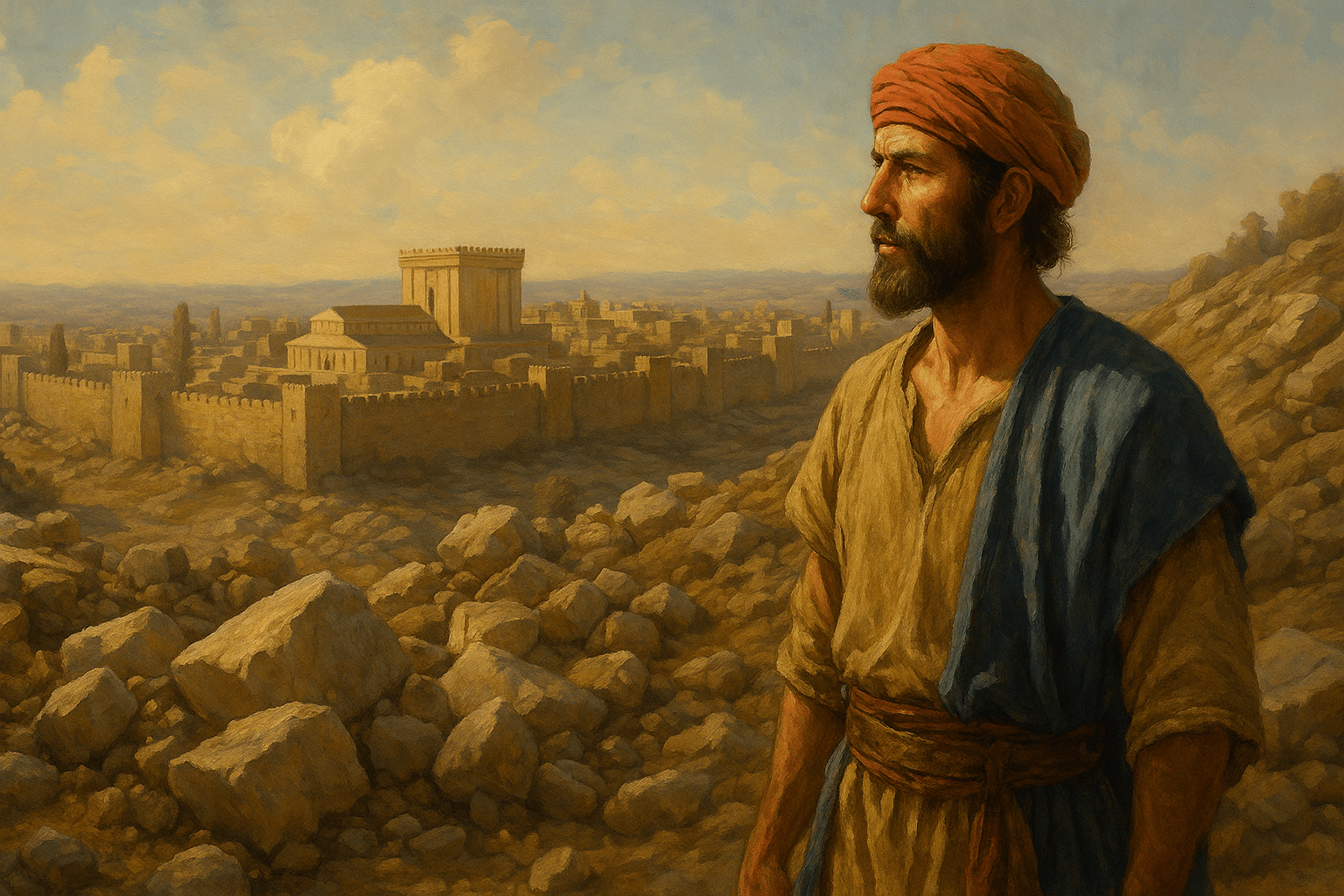
The Gospel According to Nehemiah
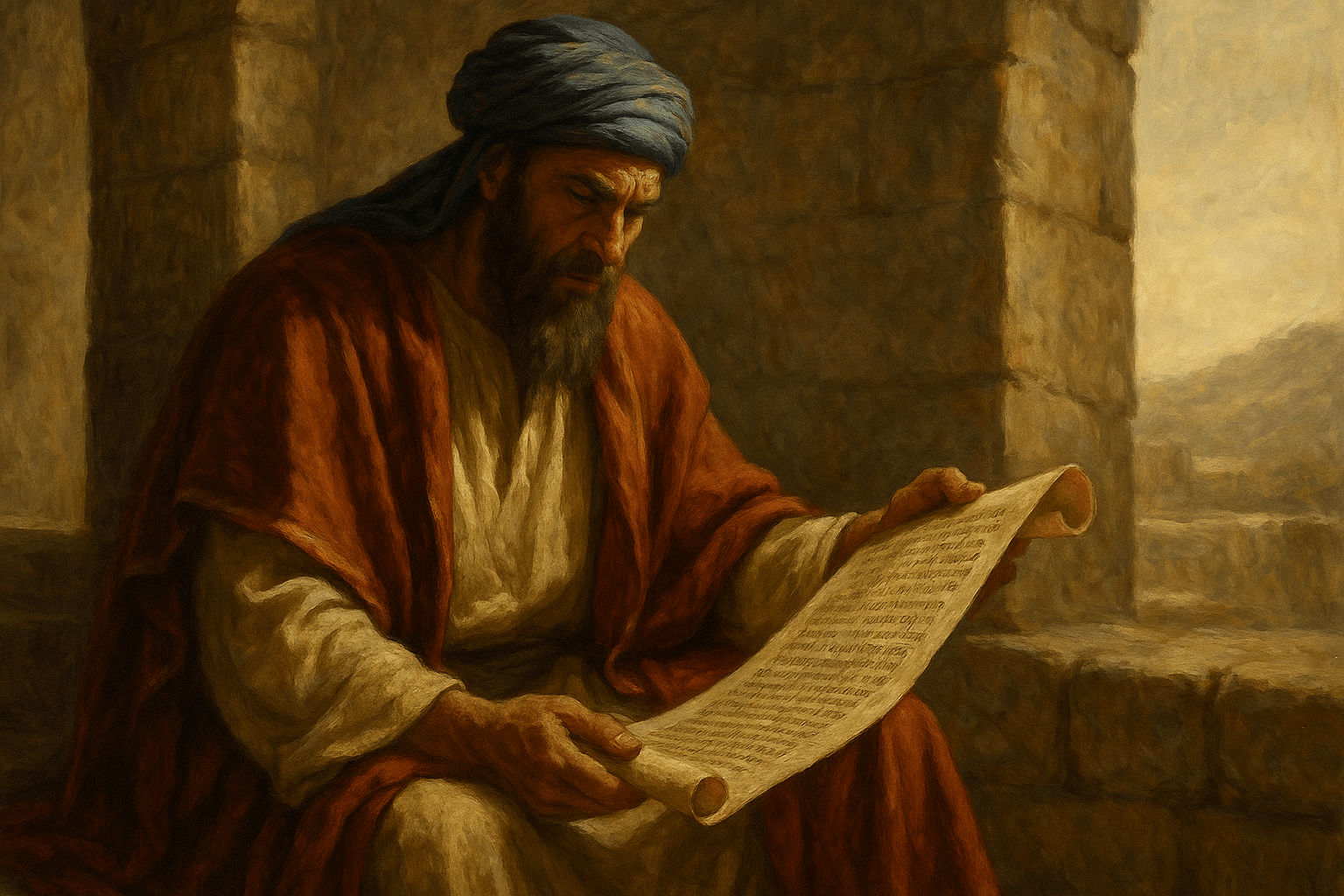
We Need to Clean House Again

The Sabbath Isn’t for Sale

Accountability at the Gates

Worship that Shakes the Streets
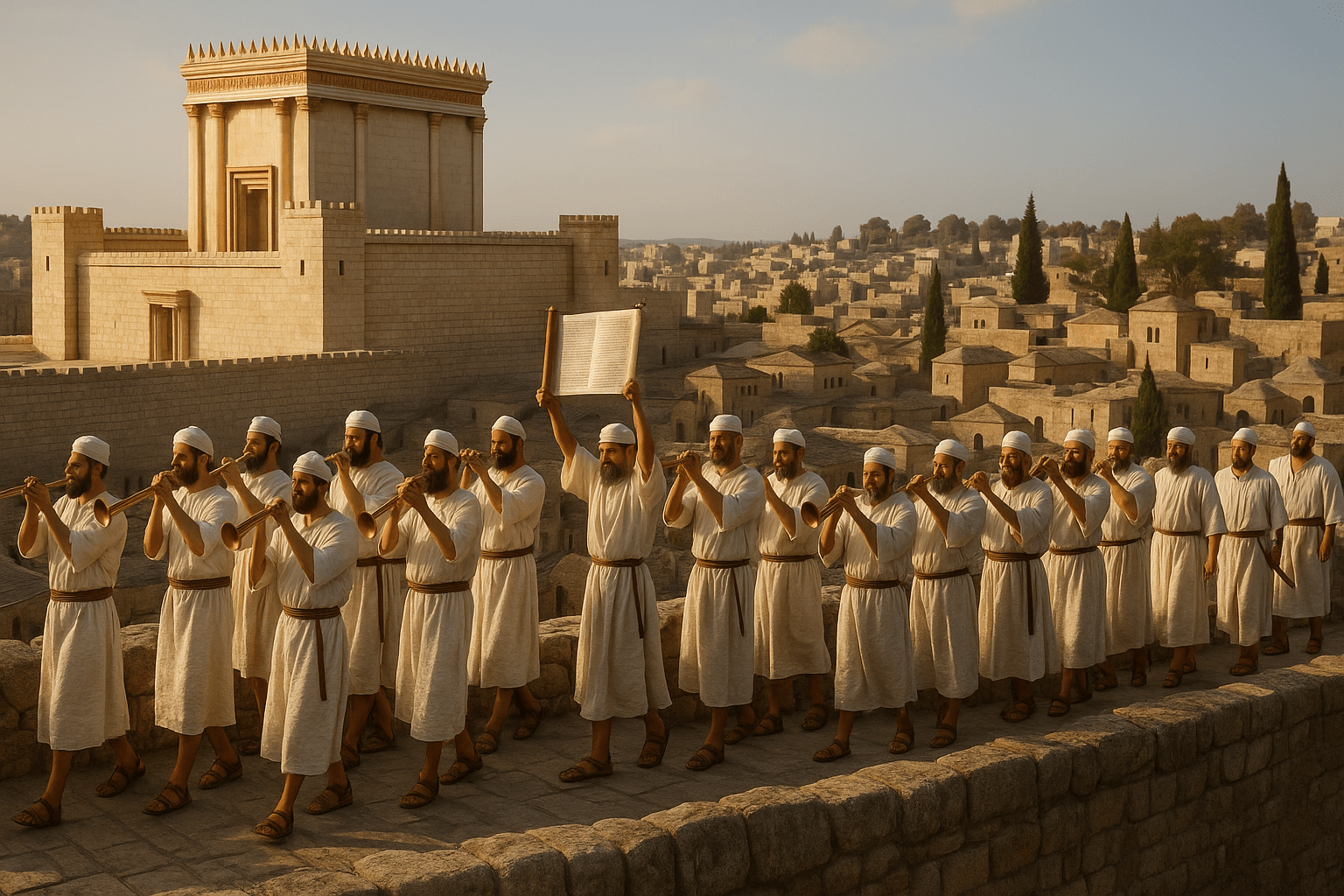
It Takes a City to Raise a Temple

10. Bible Project Videos
11. Suggested Resources
Coming Soon

Learn More about God’s Grand Narrative
God’s Plan to Restore What He Created