
Proverbs: The Book of Wisdom and Covenant Living
Proverbs presents divine truth for daily life, showing that wisdom is not intellect but obedience flowing from reverence. It calls God’s people to walk in holiness, integrity, and the fear of the Lord.
On this Page
Introduction
Before the prophets thundered or the poets sang, the sages spoke—calling God’s people to live wisely in His world. The Book of Proverbs gathers the inspired sayings of Solomon and other wise men of Israel, written to form a people whose everyday choices reflect the character of their covenant God.
Proverbs teaches that wisdom begins with worship. “The fear of Yahweh is the beginning of knowledge” (Proverbs 1:7). True wisdom is not cleverness or success but skillful living under the authority of God’s Word. It applies eternal truth to ordinary life—marriage and money, speech and work, justice and relationships—forming disciples who live faithfully in every sphere of life.
The book unfolds as a collection of inspired teachings and moral poems arranged around a unifying theme: wisdom for covenant living.
- Prologue (Proverbs 1–9) – A father’s appeal to his son: pursue wisdom, reject folly, and walk in the fear of the Lord.
- Solomonic Proverbs (Proverbs 10–22:16) – Short sayings of moral contrast, showing the path of righteousness versus the way of the wicked.
- Sayings of the Wise (Proverbs 22:17–24:34) – Practical reflections on humility, integrity, and discernment.
- Further Proverbs of Solomon (Proverbs 25–29) – Collected by Hezekiah’s scribes, these sayings explore leadership, self-control, and justice.
- Words of Agur and Lemuel (Proverbs 30–31) – Wisdom’s humility and the portrait of a virtuous woman complete the book’s vision of godly life.
The wisdom of Proverbs is covenantal—it flows from the fear of Yahweh and leads to a life that honors Him in thought, word, and deed. Every verse invites us to choose between two paths: the way of wisdom that leads to life, or the way of folly that ends in destruction (Proverbs 9:1–18).
Ultimately, Proverbs points to Christ, “in whom are hidden all the treasures of wisdom and knowledge” (Colossians 2:3). Jesus is the embodiment of divine wisdom—the One who lived perfectly, spoke truthfully, and died righteously so that we might walk wisely.
For believers today, Proverbs transforms theology into practice. It calls us to walk faithfully in a foolish world—to think before speaking, to labor with integrity, to steward relationships with love, and to pursue holiness in every decision.
Proverbs shows us that walking with God means applying His truth to every corner of life—living wisely, loving well, and fearing Him above all.
1. Title, Author, and Date
Title Meaning
English Title: Proverbs — from the Latin Liber Proverbiorum and Greek Paroimiai (παροιμίαι), meaning “wise sayings” or “moral maxims.”
Hebrew Title: Mishlê Shelomoh (מִשְׁלֵי שְׁלֹמֹה) — “Proverbs of Solomon.”
The Hebrew mashal (“comparison,” “parable,” or “wise rule”) describes truth made portable—principles that apply divine wisdom to daily life. The title captures the book’s intent: to form godly character through memorable instruction, uniting knowledge, discipline, and fear of the Lord (Proverbs 1:1-7).
Authorship
The Book of Proverbs is a Spirit-inspired anthology of wisdom writings collected primarily from the reign of King Solomon (971–931 BC) but completed by later editors under divine guidance.
Identified Contributors and Collections:
- Solomon (Chs. 1–24) – the principal author and compiler (Proverbs 1:1; 10:1; 25:1). His proverbs form the foundation of Israel’s wisdom tradition.
- Men of Hezekiah (Chs. 25–29) – royal scribes who preserved and arranged additional Solomonic sayings about 250 years later (Proverbs 25:1).
- Wise Men (Chs. 22:17–24:34) – anonymous sages within Solomon’s court.
- Agur (Ch. 30) – likely a Wisdom teacher from the northern kingdom; emphasizes humility before revelation.
- King Lemuel (Ch. 31) – possibly an Arabian ruler instructed by his godly mother; concludes with the portrait of the virtuous woman.
Though multiple writers contributed, the entire book bears Solomon’s theological imprint: wisdom grounded in covenant fear of Yahweh and lived out in everyday obedience (1 Kings 4:29-34).
Cross References: 1 Kings 3:9-12; 10:1-9; Proverbs 25:1.
Date
The earliest proverbs were written during Solomon’s reign (971–931 BC), the high point of Israel’s united kingdom when wisdom and prosperity flourished. Later compilations (25–31) were arranged in Hezekiah’s reign (715–686 BC).
Thus, the final canonical form spans approximately 300 years (10th–7th century BC). This range fits within the monarchic period of the Law Dispensation, when Israel lived under the Mosaic covenant but looked forward to messianic fulfillment through the coming King of righteousness.
Historical Setting
Proverbs reflects the golden age of Israel’s wisdom culture centered in Jerusalem, where Solomon established schools of learning and Levitical guilds for instruction (Ecclesiastes 12:9-10). The social context includes family households, royal courts, markets, and city gates—the places where life, trade, and justice intersected.
The book’s tone is fatherly and formative: a covenant parent instructing a child. It addresses practical holiness in speech, work, sexuality, money, justice, friendship, and leadership—all viewed as acts of worship within God’s created order.
Proverbs operates within the “two-path” framework: the way of wisdom leading to life and the way of folly leading to ruin (Proverbs 9:1-18). It trains God’s people to walk wisely amid moral confusion and cultural compromise.
Role in Redemptive History
Proverbs stands as the manual of covenant wisdom—teaching how redeemed people are to live under God’s rule. Where the Law defines righteousness and the Psalms express worship, Proverbs demonstrates how righteousness and worship are practiced in daily life.
Theologically: It reveals that wisdom is not philosophical speculation but reverent obedience grounded in the fear of Yahweh (Proverbs 1:7).
Christologically: It anticipates Christ as the embodiment of divine wisdom—“the power of God and the wisdom of God” (1 Corinthians 1:24). Every proverb fulfilled in perfect balance of truth and grace points toward Him.
Dispensationally: Proverbs functions within the Law yet transcends it, showing that moral formation flows from relationship, not ritual. It anticipates the New Covenant promise that wisdom will be written on hearts by the Spirit (Jeremiah 31:33; Colossians 2:3).
Redemptive Theme: The fear of the Lord produces skillful living, moral integrity, and covenant blessing.
Covenantal Emphasis: Practical holiness rooted in worship and manifested through wise stewardship of life.
📊 Book Stats
| Category | Detail |
|---|---|
| Chapters | 31 |
| Verses | 915 |
| Approx. Word Count (LSB) | 15,000 |
| Covenantal Role | Formation of God’s people through wisdom—law applied to life |
| Historical Span | Solomon (971–931 BC) → Hezekiah (715–686 BC) |
| Dispensational Context | Law Dispensation → Kingdom Expectation |
| Summary | Proverbs gathers divine instruction for everyday holiness. It teaches that wisdom begins with the fear of Yahweh and flourishes through disciplined obedience. Every proverb forms the disciple’s heart to mirror God’s righteousness in word, work, and worship—revealing Christ, the greater Wisdom, who leads His people in the way that ends in life (Proverbs 3:5-6; Colossians 2:3). |
2. Purpose and Themes
Purpose
The Book of Proverbs was written to form wise and godly character in God’s covenant people. It teaches that wisdom is not an abstract idea but the art of living skillfully under the fear of Yahweh. Through practical instruction and poetic counsel, Proverbs equips believers to bring God’s truth into every area of ordinary life—speech, work, family, relationships, and leadership.
Where the Law gives commands and the Psalms express worship, Proverbs shows how worship shapes conduct. It is wisdom incarnated—truth walked out in daily obedience.
Central Purpose
Proverbs exists to teach that the fear of Yahweh is the beginning and foundation of true wisdom (Proverbs 1:7). Its purpose is both theological and practical: to train God’s people to live holy, discerning, and disciplined lives that reflect His character in a fallen world.
The book’s central goal is transformation, not mere information. It turns revelation into habit, faith into practice, and devotion into discernment. The wise person in Proverbs is not defined by intellect or experience but by reverent submission—the humility to listen, learn, and obey.
In short, Proverbs teaches that wisdom is covenant obedience applied to real life.
Major Themes and Doctrines
- The Fear of Yahweh: The central theme that unites the entire book. Reverence for God produces moral clarity and spiritual stability (Proverbs 1:7; 9:10).
- Two Paths: Life is portrayed as a moral journey with only two outcomes—the way of wisdom leading to life, and the way of folly ending in death (Proverbs 4:18–19; 14:12).
- Moral Formation and Integrity: Wisdom manifests in righteous choices—honesty in speech, justice in work, purity in desire, and humility in leadership.
- The Power of the Tongue: Words can heal or harm (Proverbs 18:21). The wise speak truth seasoned with grace, reflecting the character of God.
- Family and Discipline: Proverbs grounds wisdom in generational discipleship—parents training children in the fear of Yahweh (Proverbs 22:6).
- Work and Stewardship: Diligence honors God and blesses others, while laziness brings poverty and shame (Proverbs 6:6–11; 10:4–5).
- Justice and Compassion: God defends the poor and the vulnerable; the wise mirror His mercy (Proverbs 14:31; 29:7).
- Wisdom Personified: Wisdom is presented as a woman calling humanity to truth and life (Proverbs 8:1–36), ultimately fulfilled in Christ, “the wisdom of God” (1 Corinthians 1:24).
Doctrinal Contributions
- Theology of Wisdom: Proverbs defines wisdom as spiritual skill in godly living—seeing life from God’s perspective and acting accordingly.
- Practical Sanctification: It transforms doctrine into discipline, shaping habits of holiness in the ordinary rhythms of life.
- Moral Order of Creation: The universe is morally structured; to walk wisely is to live in harmony with God’s design.
- Vocational Discipleship: Work, speech, and stewardship become acts of worship when governed by truth and humility.
- Christological Fulfillment: Proverbs anticipates Christ as the incarnate Wisdom of God—perfectly obedient, perfectly discerning, and perfectly righteous (Colossians 2:3).
Literary Features
Proverbs combines instructional poetry and moral philosophy, written primarily in Hebrew parallelism for memorability and meditation. Its 31 chapters form a structured curriculum of wisdom:
- Prologue (Proverbs 1–9): A father’s appeal to pursue wisdom and reject folly.
- Main Collection of Solomon (Proverbs 10:1–22:16): Short, contrasting maxims of righteousness and wickedness.
- Sayings of the Wise (Proverbs 22:17–24:34): Moral instruction and discernment in relationships.
- Hezekiah’s Compilation (Proverbs 25–29): Principles of leadership, humility, and social ethics.
- Words of Agur and Lemuel (Proverbs 30–31): Humility before God and the model of a virtuous life.
The book’s poetic rhythm and practical realism make it the foundation of biblical discipleship—a manual for wise living in every generation.
Summary: Proverbs transforms theology into lifestyle. It calls God’s people to walk wisely in a foolish world, teaching that holiness is learned in the details of daily obedience.
Doctrine → Wisdom begins with fearing Yahweh and flows from His revealed Word.
Devotion → The heart that worships God will live differently before men.
Daily Walk → Every decision becomes a chance to reflect divine character and trust the Lord with all your heart (Proverbs 3:5–6).
Proverbs is the blueprint of godly living—showing that wisdom is not hidden in mystery but displayed in everyday faithfulness.
3. Outline
The Book of Proverbs unfolds as Scripture’s curriculum for wise living—showing how divine truth governs everyday decisions, relationships, and integrity. It moves from the classroom of parental instruction to the crossroads of moral choice, forming the reader into a person who walks in the fear of Yahweh.
Written primarily by Solomon, Proverbs transforms the wisdom of God into principles for practical righteousness. Its structure reflects the covenant goal of discipleship: that the heart shaped by truth will walk in holiness before the Lord.
Covenantal Context: Davidic Covenant — Wisdom within the Kingdom Community
Dispensational Context: Law Dispensation → Kingdom Foreshadowing
I. The Prologue: The Call to Wisdom (Proverbs 1–9)
Focus: Wisdom as covenant instruction—the pursuit of holiness through reverence.
- A. Purpose and Motto (Proverbs 1:1–7)
- The book’s aim: to impart wisdom, discipline, and discernment.
- Theme: “The fear of Yahweh is the beginning of knowledge.”
- B. Parental Instruction and Warnings (Proverbs 1:8–2:22)
- A father’s voice guiding the son toward godly fear.
- Wisdom personified as a woman calling out to the simple.
- C. The Contrast Between Wisdom and Folly (Proverbs 3:1–9:18)
- Wisdom’s rewards—peace, guidance, and honor.
- The seductive call of folly leading to destruction.
- Culmination: Wisdom’s banquet versus folly’s trap (Proverbs 9:1–18).
II. The Proverbs of Solomon: The Path of Righteous Living (Proverbs 10:1–22:16)
Focus: Practical wisdom for life under God’s moral order.
- A. The Two Ways (Proverbs 10:1–11:31)
- The righteous versus the wicked—contrasts of speech, work, and integrity.
- B. The Value of Diligence, Generosity, and Justice (Proverbs 12:1–14:35)
- Work ethic and honesty as acts of worship.
- Mercy to the poor as reverence for God (Proverbs 14:31).
- C. The Power of Speech and Conduct (Proverbs 15:1–17:28)
- Words reveal the heart; the wise build up, the fool tears down.
- Self-control and humility mark true discernment.
- D. The Stability of Wisdom in Society (Proverbs 18:1–22:16)
- Foundations of leadership, justice, and reputation.
- The fear of Yahweh as moral compass for community life.
III. The Sayings of the Wise (Proverbs 22:17–24:34)
Focus: Collected teachings from Israel’s sages emphasizing humility and discipline.
- A. Counsel to the Teachable (Proverbs 22:17–23:35)
- Listen and apply the words of the wise.
- Warnings against envy, excess, and immorality.
- B. Observations on Work and Character (Proverbs 24:1–34)
- The lazy contrasted with the diligent.
- Justice and integrity as expressions of covenant loyalty.
IV. The Additional Proverbs of Solomon Compiled by Hezekiah’s Scribes (Proverbs 25–29)
Focus: Royal wisdom—governing with humility, restraint, and fairness.
- A. The Glory of God and the Discipline of Kings (Proverbs 25:1–28)
- Search out wisdom as kings search hidden treasure.
- Leadership purified by humility and self-control.
- B. The Contrast of the Righteous and the Wicked (Proverbs 26–29)
- Warnings against fools, sluggards, and contentious people.
- Righteous leadership brings peace; wicked rule breeds strife.
V. The Sayings of Agur and Lemuel: The Crown of Virtue (Proverbs 30–31)
Focus: Wisdom expressed in humility and godly womanhood.
- A. The Wisdom of Agur (Proverbs 30:1–33)
- Confession of human limitation before the infinite God.
- Fourfold numerical sayings—creation as moral lesson.
- B. The Wisdom of King Lemuel (Proverbs 31:1–9)
- A mother’s counsel on justice, sobriety, and compassion.
- C. The Virtuous Woman (Proverbs 31:10–31)
- The final portrait of wisdom embodied in faithfulness, diligence, and fear of Yahweh.
- The book’s culmination: Wisdom crowned in godly character.
Canonical Flow
Proverbs stands at the center of Israel’s wisdom tradition, translating covenant theology into practical discipleship. Where Job wrestles with divine sovereignty and Psalms responds in worship, Proverbs teaches how to walk wisely before God day by day.
It looks backward to the Law’s moral foundation and forward to the coming Messiah—“the wisdom of God” (1 Corinthians 1:24)—who perfectly embodies every proverb. The book forms the hinge between Mosaic instruction and Messianic fulfillment, revealing that wisdom is ultimately a Person to be followed, not merely a principle to be learned.
4. Key Themes and Theological Contributions
The Book of Proverbs is God’s manual for wise living—a treasury of covenant instruction that shapes character, speech, work, and relationships under the fear of Yahweh. Its wisdom is not abstract philosophy but applied holiness—truth lived out in the ordinary details of life.
Written primarily by Solomon, Proverbs reveals that wisdom is moral before it is intellectual, relational before it is practical. It transforms truth into daily discipline, showing how covenant faith is to be walked out in family, community, and vocation.
Proverbs stands as the wisdom expression of the Davidic Covenant, calling God’s people to reflect His righteousness and justice in every sphere of life.
1. Wisdom as Covenant Obedience
- Doctrine: Wisdom is covenant obedience in action. “The fear of Yahweh is the beginning of knowledge” (Proverbs 1:7). True wisdom flows from relationship, not reason—from reverence, not reputation.
- Devotion: The wise heart delights to obey. Wisdom is learned by walking with God, not merely by learning about Him.
- Daily Walk: Pursue obedience before opportunity; live faithfully in the small things, knowing that wisdom grows through consistency.
2. The Fear of Yahweh
- Doctrine: The foundation of all knowledge and morality is holy reverence for God. Wisdom begins where self-confidence ends (Proverbs 9:10).
- Devotion: Fear of the Lord produces humility, gratitude, and worship. It purifies motives and protects from pride.
- Daily Walk: Start every day with holy awe—recognizing that every decision is made before the eyes of the Lord.
3. The Two Paths: Wisdom and Folly
- Doctrine: Proverbs presents two ways—the way of wisdom leading to life and the way of folly leading to destruction (Proverbs 4:18–19). Every moral choice is a step toward one of these destinies.
- Devotion: The wise discern by Scripture; the fool decides by impulse. Wisdom listens before speaking and yields before reacting.
- Daily Walk: Choose daily which road you will take. Walk with the wise, avoid the scoffer, and keep your feet from evil.
4. Speech, Integrity, and Community Ethics
- Doctrine: Words reveal the heart. “Death and life are in the power of the tongue” (Proverbs 18:21). Righteous speech builds community; deceit destroys it.
- Devotion: Use words to bless, not to boast. Speak truth in love, for the Lord delights in lips that honor Him.
- Daily Walk: Guard your tongue, keep your word, and live with integrity before God and man.
5. God’s Design for Work and Family
- Doctrine: Proverbs exalts diligence, stewardship, and faithfulness in home and labor (Proverbs 10:4; 31:10–31). Work is worship when done unto the Lord.
- Devotion: The home becomes a sanctuary of wisdom when marked by discipline, kindness, and respect.
- Daily Walk: Serve diligently, lead humbly, and nurture your household in truth—living as image bearers of God’s order and care.
6. Righteousness and Justice as Kingdom Values
- Doctrine: The righteous reflect God’s moral order in society. “To do righteousness and justice is desired by Yahweh more than sacrifice” (Proverbs 21:3). Wisdom brings harmony where sin breeds chaos.
- Devotion: Love what God loves—truth, mercy, and justice. The wise show compassion to the poor and integrity in judgment.
- Daily Walk: Practice fairness, generosity, and courage in every decision. Let your conduct mirror the righteousness of your King.
7. Christ: The Wisdom of God
- Doctrine: Proverbs finds its fulfillment in Christ, “who became to us wisdom from God” (1 Corinthians 1:30). The personified Wisdom of Proverbs 8 prefigures the eternal Son, the Creator and Redeemer.
- Devotion: To walk with Christ is to walk wisely. He embodies the perfect fear of Yahweh and the flawless obedience of the wise man.
- Daily Walk: Follow Jesus as your living Wisdom—patterning your life after His humility, discernment, and holiness.
📌 Memory Verse (LSB):
“Trust in Yahweh with all your heart and do not lean on your own understanding. In all your ways acknowledge Him, and He will make your paths straight.” — Proverbs 3:5–6
⚔️ Major Turning Points of the Heart:
- The Invitation of Wisdom (Proverbs 1:20–33) – Wisdom calls; the fool refuses.
- The Father’s Plea (Proverbs 4:1–27) – The path of wisdom versus the path of evil.
- The Warning Against Folly (Proverbs 7:6–27) – Temptation’s deception exposed.
- The Praise of the Virtuous Woman (Proverbs 31:10–31) – Wisdom embodied in covenant faithfulness.
Walk It Out: Living the Theology of Proverbs: Proverbs teaches that wisdom is not simply what we know—it is how we live. The wise heart acts justly, speaks kindly, works diligently, and walks humbly with God.
Wisdom begins in reverence, grows through obedience, and matures in discernment. The fear of Yahweh transforms ordinary life into holy ground. Every decision, word, and action becomes a reflection of divine order.
Proverbs forms us through Doctrine (wisdom as truth lived), Devotion (worship expressed in obedience), and Daily Walk (faith practiced with integrity)—shaping disciples who live faithfully in the light of God’s truth.
5. Christ in Proverbs
Christ Revealed: The Wisdom of God Incarnate
The Book of Proverbs presents wisdom not as mere principle, but as a Person. True wisdom—pure, righteous, life-giving—is ultimately embodied in Jesus Christ, “who became to us wisdom from God, and righteousness and sanctification and redemption” (1 Corinthians 1:30).
In Proverbs, wisdom calls from the heights, inviting the simple to walk in righteousness (Proverbs 8:1–6). In Christ, that call becomes incarnate—the Word made flesh dwelling among us, revealing the mind and heart of God. The One who ordered creation by wisdom (Proverbs 3:19) has entered creation to redeem it.
Christ is the voice of wisdom, the pattern of righteousness, and the path of life. He fulfills every moral and spiritual ideal Proverbs describes—showing that godly wisdom is not found in intellect, but in intimate relationship with the Son of God.
Typological Parallels
Proverbs anticipates Christ in seven profound ways—each revealing that divine wisdom finds its fullness in the person and work of Jesus.
| Type | Fulfillment in Christ | Key Texts | Doctrinal Significance | Reflection |
|---|---|---|---|---|
| 1. Wisdom Personified | Christ is the eternal Wisdom of God who was with the Father before creation. | Proverbs 8:22–31; John 1:1–3 | Christ is not created wisdom but co-eternal Creator. | The voice of wisdom in Proverbs speaks through the Word who was with God and is God. |
| 2. The Path of Righteousness | Christ perfectly walks the path of righteousness Proverbs describes. | Proverbs 4:18; Matthew 3:15 | His moral perfection defines what it means to fear the Lord. | Every proverb finds its fulfillment in the holiness of Jesus. |
| 3. The Fear of Yahweh | Christ embodies reverent obedience and teaches His followers to do the same. | Proverbs 1:7; Isaiah 11:2–3 | The fear of the Lord begins and ends in the Son who delighted to do the Father’s will. | Wisdom begins where worship begins—at the feet of Jesus. |
| 4. The Wise Son | The obedient Son of Proverbs is fulfilled in Jesus, who always pleases His Father. | Proverbs 10:1; John 8:29 | Christ models perfect filial obedience, bringing joy to the Father. | The Son’s delight in the Father becomes our pattern of faith. |
| 5. The Fountain of Life | Wisdom offers life to those who heed her voice; Christ gives eternal life to all who believe. | Proverbs 13:14; John 4:14; 14:6 | Salvation flows from the living wisdom of God made flesh. | The fear of the Lord preserves life; Christ is that life incarnate. |
| 6. The Friend Who Sticks Closer Than a Brother | Jesus fulfills the truest friendship of covenant loyalty. | Proverbs 18:24; John 15:13–15 | Christ defines friendship through sacrificial love. | The wisdom of God is relational, not theoretical—found in a Friend who never leaves. |
| 7. The Righteous King Who Reigns in Justice | The wisdom that governs kings finds its consummation in Christ the King. | Proverbs 16:12; 29:4; Revelation 19:11–16 | Wisdom and justice meet perfectly in the reign of Christ. | The King of wisdom rules with truth, righteousness, and grace forever. |
Christ in Proverbs: Old Testament → New Testament Fulfillment
| Proverbial Revelation | Christ’s Fulfillment |
|---|---|
| Wisdom personified calls for obedience (Proverbs 8:1–6) | Christ, the Word, calls disciples to follow Him (John 1:1–14) |
| Fear of Yahweh is the beginning of wisdom (Proverbs 1:7) | Fear of the Father displayed in the Son (Isaiah 11:2–3) |
| Wise son brings joy to his father (Proverbs 10:1) | The beloved Son in whom the Father is well pleased (Matthew 3:17) |
| Wisdom guards from evil (Proverbs 2:10–12) | Christ delivers from temptation and sin (Matthew 4:1–11) |
| Fountain of life to those who find wisdom (Proverbs 13:14) | Jesus, the Living Water (John 4:14) |
| Righteous rule establishes the land (Proverbs 29:4) | The righteous King reigns forever (Revelation 19:11–16) |
Doctrinal Reflection
Proverbs teaches that wisdom is more than knowledge—it is moral order rooted in divine revelation. In Christ, that wisdom becomes incarnate. His life demonstrates every virtue Proverbs extols: truth, humility, justice, mercy, and faithfulness.
The wisdom of the world exalts pride; the wisdom of Christ exalts the cross. To follow Jesus is to walk the path Proverbs envisions—a path of righteousness that leads to life. As the Apostle Paul declared, “In Him are hidden all the treasures of wisdom and knowledge” (Colossians 2:3).
Thus, the wise person is not one who knows much, but one who knows Him.
Restoration Connection
Proverbs ends with the vision of the virtuous woman—a picture of covenant faithfulness and fruitful devotion (Proverbs 31:10–31). This image finds its ultimate fulfillment in the Bride of Christ, the Church, adorned in righteousness and wisdom from above.
The wisdom that shaped creation will also shape the new creation, where the Redeemer-King reigns in perfect righteousness. The path of wisdom ends in worship—where the fear of the Lord becomes the joy of His people forever.
6. Historical and Literary Notes
Genre and Structure
The Book of Proverbs is a collection of inspired wisdom sayings designed to teach skillful living under the fear of the Lord. Its genre is didactic poetry—short, memorable couplets that unite moral truth with practical application.
Structurally, Proverbs is arranged in seven major collections of Hebrew wisdom, gathered over several centuries:
| Section | Chapters | Primary Focus | Attributed Author |
|---|---|---|---|
| 1. The Prologue: Wisdom’s Call | Proverbs 1–9 | Foundations of wisdom and the fear of the Lord | Solomon |
| 2. Proverbs of Solomon | Proverbs 10–22:16 | Moral contrasts of the wise and foolish | Solomon |
| 3. Sayings of the Wise | Proverbs 22:17–24:22 | Counsel for justice and humility | Anonymous sages |
| 4. Further Sayings of the Wise | Proverbs 24:23–34 | Warnings against partiality and laziness | Anonymous |
| 5. Hezekiah’s Compilation | Proverbs 25–29 | Collected royal sayings for leadership and discernment | Solomon (compiled by Hezekiah’s scribes) |
| 6. Words of Agur | Proverbs 30 | Humility before divine wisdom | Agur son of Jakeh |
| 7. Words of King Lemuel and the Virtuous Woman | Proverbs 31 | Godly leadership and womanly virtue | Lemuel and his mother |
The design moves from principle to portrait—from the call to wisdom in chapters 1–9 to the living embodiment of wisdom in chapter 31.
Ancient Near Eastern (ANE) Context
Proverbial instruction was a common teaching method in the ancient world. Egyptian wisdom texts such as The Instruction of Amenemope and The Wisdom of Ptahhotep used maxims to guide ethical conduct. Yet Israel’s wisdom differs profoundly: it begins not with moral pragmatism but with reverence for Yahweh.
In Israel, wisdom was covenantal, not philosophical. It taught that true understanding flows from relationship with the Creator. The fear of the Lord (Proverbs 1:7) became the foundation of all discernment, separating divine revelation from human speculation.
Historical Anchors
The principal author, Solomon, reigned over Israel from approximately 970–931 BC, a period of peace, prosperity, and intellectual flourishing. His wisdom was divinely granted (1 Kings 3:12) and internationally recognized (1 Kings 4:29–34).
Later generations, including Hezekiah’s scribes (ca. 700 BC), preserved and expanded the collection. This editorial process ensured that Israel’s wisdom remained timeless—ancient in origin yet enduring in truth.
Historically, Proverbs stands between the covenant law and the prophetic call, translating divine truth into daily life.
Literary Design and Devices
The book’s literary beauty lies in its parallelism, metaphor, and contrast. Short, rhythmic lines deliver moral clarity through vivid imagery—paths, gates, balances, and crowns. The frequent antithetic structure (“The wise do this, but the fool does that”) sharpens moral discernment.
Hebrew poetic forms such as acrostics (Proverbs 31:10–31), numerical sayings (Proverbs 30), and personification (Wisdom as a woman, Proverbs 8) draw the reader into reflection and response. The structure teaches by contrast, allowing wisdom to take shape in the mind through repetition, rhythm, and realism.
Key Characters
| Person | Role | Theological Significance |
|---|---|---|
| Solomon | Principal author and king of Israel | Embodies the gift of divine wisdom; foreshadows Christ, the greater Son of David. |
| The Wise Man | Model disciple | Walks in reverent obedience, demonstrating fear of the Lord. |
| The Fool | Moral contrast | Rejects divine truth and lives by self-deception. |
| Wisdom (personified) | Divine voice | Represents the character of God revealed in moral order and truth. |
| The Virtuous Woman (Proverbs 31) | Ideal disciple | Symbol of covenant faithfulness, wisdom in action, and fruitful living. |
Theological Integration
Proverbs weaves theology into daily practice, transforming divine truth into moral clarity.
- Theology Proper: God is the source and standard of all wisdom.
- Anthropology: Humanity was created to reflect divine order through disciplined living.
- Hamartiology: Folly is rebellion against revealed truth—sin dressed as self-reliance.
- Soteriology: True wisdom calls sinners to repentance and life (Proverbs 8:32–36).
- Eschatology: Wisdom’s final triumph anticipates Christ, in whom all treasures of wisdom and knowledge are found (Colossians 2:3).
Covenantally, Proverbs translates Mosaic ethics into practical discipleship—holiness practiced in the marketplace, the home, and the heart.
Teaching and Formation Insight
Teaching Insight: Proverbs teaches that godly wisdom is both knowledge and obedience—truth applied to life. It demonstrates that moral excellence flows from spiritual reverence, not social success.
Formation Insight: The book forms disciplined, thoughtful believers who live with integrity, humility, and prudence. It trains disciples to reflect divine order in chaotic times, walking with wisdom that begins and ends in the fear of the Lord.
Restoration Bridge
The wisdom of Proverbs finds its fulfillment in Christ, the Wisdom of God (1 Corinthians 1:24). Every proverb points toward the Redeemer who embodied perfect obedience and truth.
Walking with God means seeking wisdom not as an abstract idea but as a Person—Christ Himself—whose words guide the heart and whose Spirit shapes the life of all who fear the Lord.
7. Applications for Today
The Book of Proverbs brings divine wisdom into ordinary life. It teaches that righteousness is not confined to worship services but woven through work, relationships, and words. Solomon’s sayings call believers to live skillfully under the fear of the Lord—translating truth into habit, holiness into practicality.
Proverbs is God’s discipleship manual for daily integrity: short sentences with long implications, reminding us that wisdom begins in reverence and ends in righteousness.
Discipleship Formation — Wisdom that Walks
Doctrine: Proverbs reveals that wisdom is not merely intelligence but obedience. “The fear of the Lord is the beginning of knowledge” (Proverbs 1:7). Spiritual maturity flows from submission to God’s authority; foolishness begins where reverence ends.
Devotion: Wise living is worship in motion. “Trust in the Lord with all your heart, and do not lean on your own understanding” (Proverbs 3:5). Devotion deepens as believers learn to trust divine direction more than human intuition.
Daily Walk: Practically, wisdom appears in choices—speech that builds rather than breaks (Proverbs 15:1), diligence over sloth (Proverbs 6:6–11), purity over compromise (Proverbs 4:23). Each decision becomes an act of discipleship.
Faith & Culture: In a world that prizes self-expression over self-control, Proverbs reclaims moral clarity. It teaches that godliness is counter-cultural wisdom—steady, truthful, and Spirit-led.
Worldview & Ethics — The Fear of the Lord in Daily Life
Doctrine: The book grounds ethics in divine order. God established moral cause and effect in creation; righteousness exalts, but sin destroys (Proverbs 14:34). Ethical living reflects trust in God’s moral architecture.
Devotion: “Better is a little with the fear of the Lord than great treasure and turmoil with it” (Proverbs 15:16). Devotion prizes contentment over greed, humility over pride. Obedience becomes worship when motives are pure.
Daily Walk: Believers live wisely by telling the truth (Proverbs 12:22), showing restraint (Proverbs 16:32), and practicing generosity (Proverbs 19:17). Wisdom is proved not by words but by conduct.
Faith & Culture: Proverbs confronts moral relativism by affirming objective truth rooted in God’s character. It trains disciples to navigate complexity with conviction and compassion.
Leadership & Mission — Wisdom for Influence and Witness
Doctrine: Solomon wrote to form leaders. “Where there is no guidance, the people fall, but in an abundance of counselors there is victory” (Proverbs 11:14). Godly leadership requires teachability and dependence on wise counsel.
Devotion: Servant leaders guard their hearts before they guide others. “Keep your heart with all vigilance, for from it flow the springs of life” (Proverbs 4:23). Leadership that pleases God begins in inner holiness.
Daily Walk: The wise leader models integrity in speech, fairness in decision, and compassion in service (Proverbs 16:12–13). Influence is stewardship, not self-promotion.
Faith & Culture: In a culture of image and ambition, Proverbs restores the ethic of stewardship. It calls believers to lead quietly, work honestly, and let wisdom—not charisma—define success.
Walking with God through Proverbs means seeking His wisdom in every detail—home, vocation, and heart. Wisdom is not distant; it calls aloud in the streets (Proverbs 1:20–21). Those who hear and obey walk securely.
To live the Proverbs is to reflect divine order in a disordered world—anchored in reverence, guided by truth, and shining with the steady light of obedience until the day wisdom incarnate, Jesus Christ, reigns in righteousness.
8. Walking It Out: Living the Truth of Proverbs
A Shoe Leather Discipleship Reflection
Doctrine: The Book of Proverbs teaches that wisdom is not merely about knowing the right thing—it is about doing the right thing in reverent fear of the Lord. “The fear of the Lord is the beginning of wisdom, and the knowledge of the Holy One is understanding” (Proverbs 9:10). Wisdom begins where pride ends. God’s truth is not abstract; it is woven into the fabric of creation and revealed through daily obedience. Proverbs reminds us that holiness is practical and that integrity is the visible expression of faith.
Devotion: Devotion to God is measured not by emotion but by alignment. The wise heart listens, learns, and lives what it believes. “Trust in the Lord with all your heart and do not lean on your own understanding” (Proverbs 3:5). When we delight in His commands, devotion turns duty into joy. The believer who fears the Lord begins to see wisdom as an act of worship—a daily reverence that honors Him in every decision, conversation, and thought.
Daily Walk: Walking out the wisdom of Proverbs means translating truth into habit. It is seen in self-control, honest speech, humility, diligence, and compassion. “In all your ways acknowledge Him, and He will make your paths straight” (Proverbs 3:6). Each small choice becomes a spiritual act of obedience. The wise do not separate sacred and secular—they see all of life as stewardship. Faith grows through consistency; holiness is formed through ordinary faithfulness.
Destiny: Proverbs points us forward to Christ, the Wisdom of God (1 Corinthians 1:24), who lived perfectly what Solomon only described. The path of wisdom is the path of discipleship—narrow but sure, costly but rewarding. One day, the wisdom we pursue will be fulfilled in the presence of the King who embodies it.
This book shows us that to walk with God is to live truthfully and humbly—to do justice, love mercy, and walk wisely with our Redeemer.
9. Shoe Leather Gospel on Proverbs
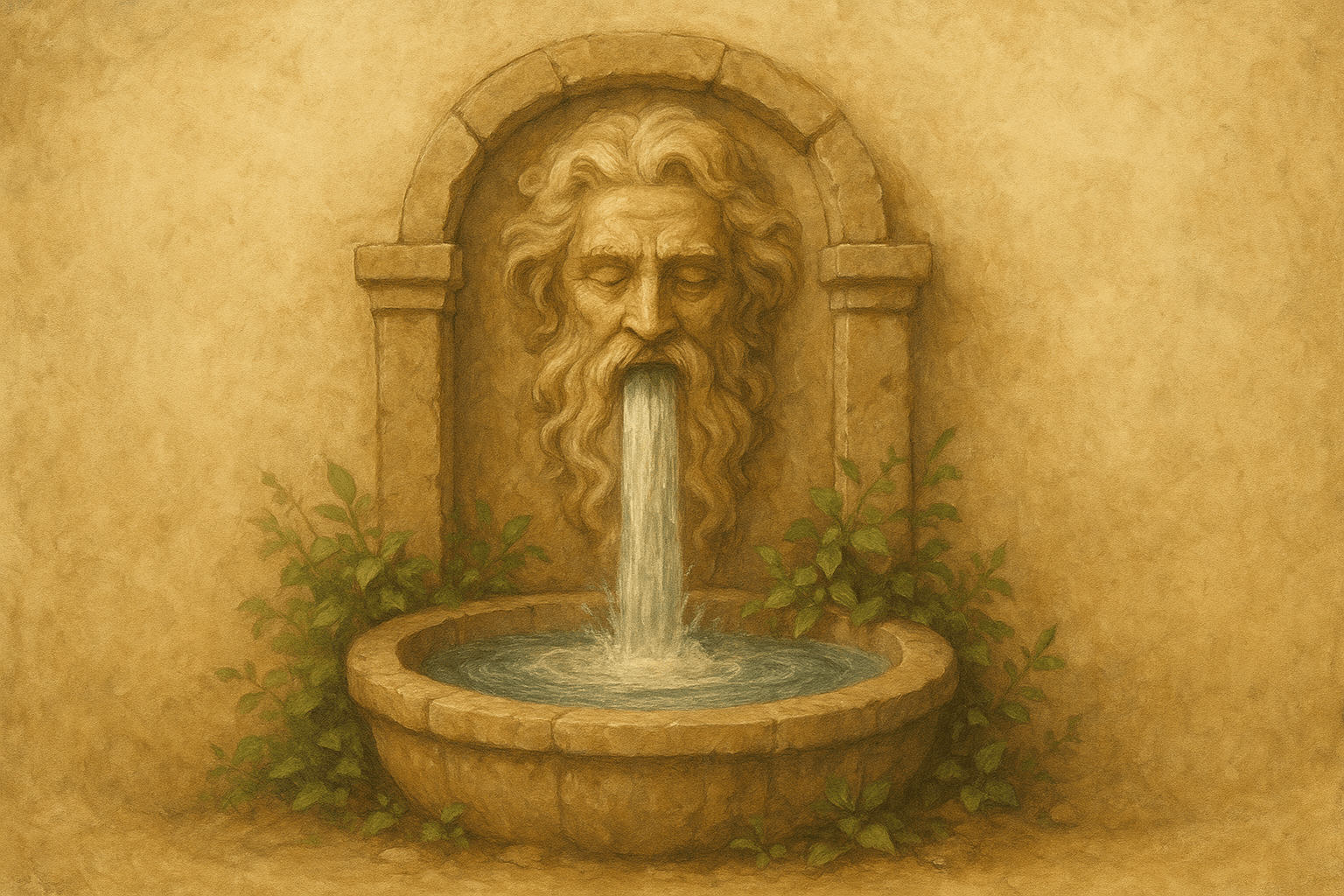
The Mouth of the Righteous Is a Fountain of Life

A Good Name Is Better Than a Big Name


Life and Death Are in the Power of the Tongue
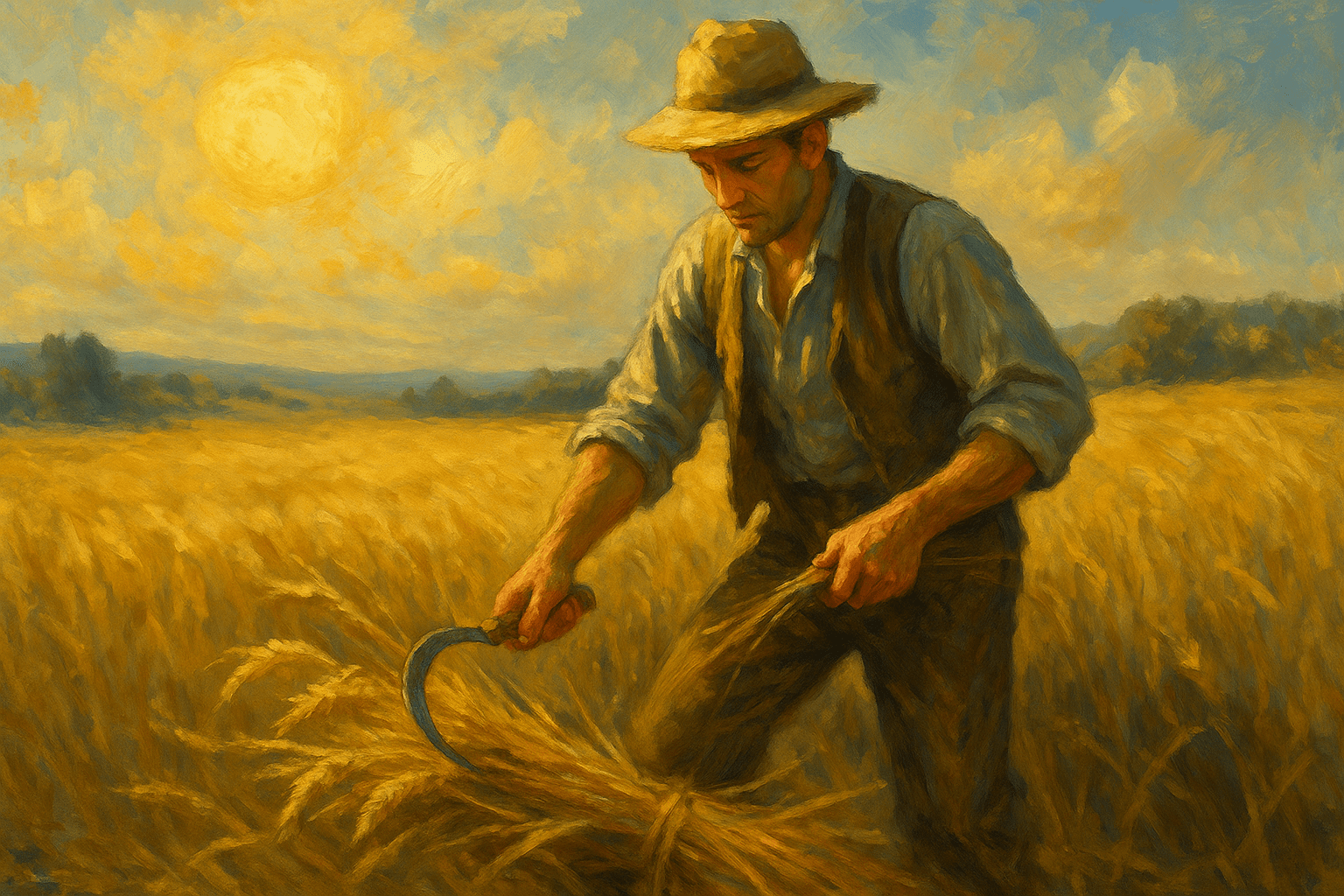
Hard Work Brings Profit, Talk Brings Poverty
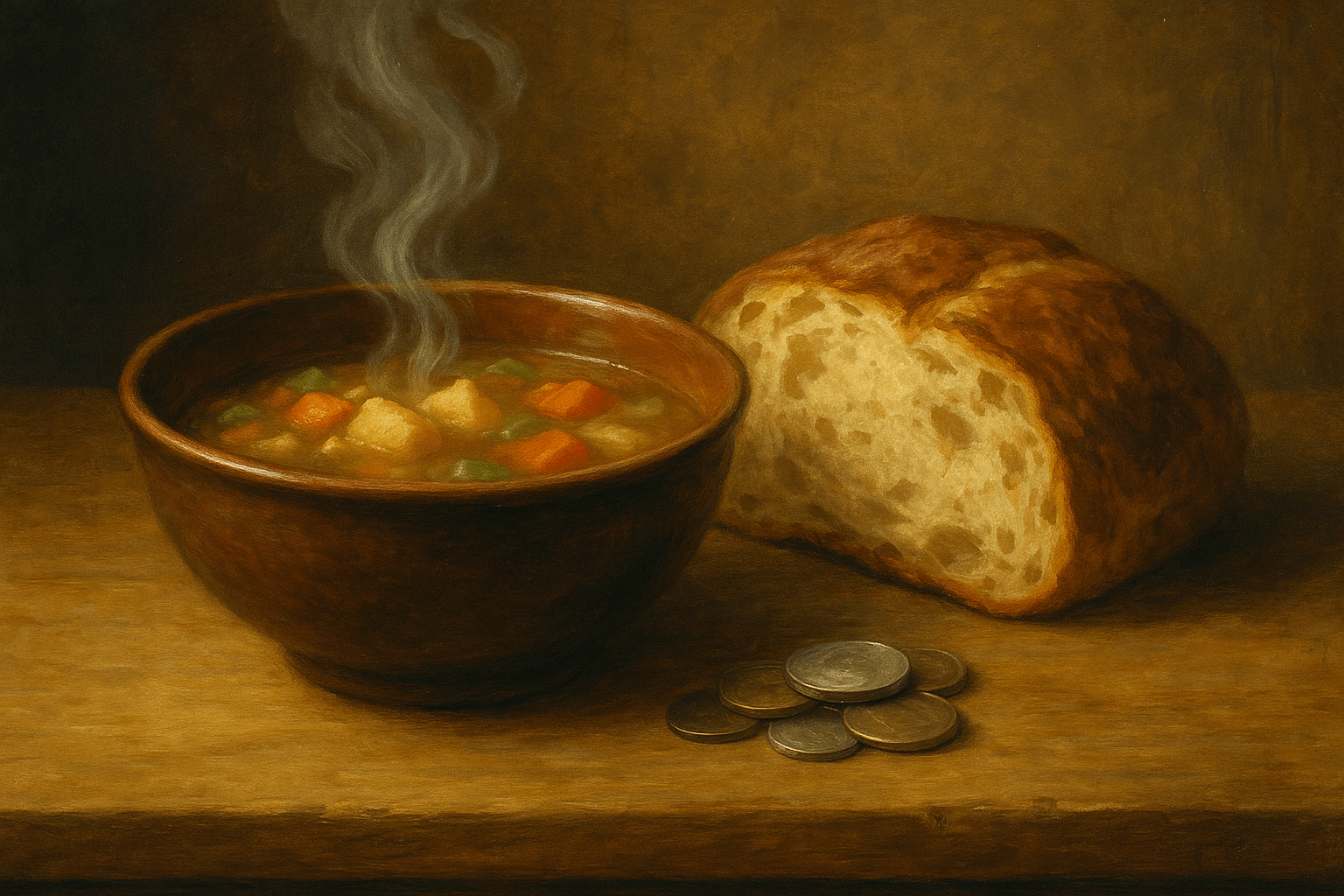
Better a Little with the Fear of the Lord

10. Bible Project Videos
11. Suggested Resources
Coming Soon

Learn More about God’s Grand Narrative
God’s Plan to Restore What He Created