
Joshua | Judges | Ruth | 1 Samuel | 2 Samuel | 1 Kings | 2 Kings
1 Chronicles | 2 Chronicles | Ezra | Nehemiah | Esther
The Historical Books: The Record of Covenant Faithfulness and Failure
From Conquest to Captivity — Where the Promises Are Tested
“Be strong and courageous…”
From Jericho to Jerusalem, from conquest to captivity, the story unfolds of a faithful God and a faltering people.
The Historical Books are the record of covenant tested and grace revealed — the story of kings and kingdoms, rebellion and redemption, showing that true victory is found not in the land itself, but in obedience to the Lord who gave it.
On this Page
Introduction
The Historical Books continue the grand story where the Law left off — the covenant people stepping into the land of promise. What began in creation and covenant now unfolds in conquest and kingdom. Here, faith becomes history, and obedience becomes the measure of blessing.
But the Historical Books are more than a national record — they are a spiritual mirror. They reveal what happens when grace is forgotten, when kings trade humility for pride, and when the people called to reflect God’s glory chase after the gods of the nations. Yet even in their rebellion, God’s faithfulness does not waver. His promises hold firm through judges and kings, prophets and exiles.
This is not merely human history; it is divine providence written in the language of nations and thrones. Behind every victory and defeat stands the unseen hand of Yahweh, guiding, correcting, restoring. The same God who divided the sea now directs the rise and fall of empires to accomplish His purpose.
Every major theme introduced in the Pentateuch finds its testing here:
- Covenant and Obedience — Will the people keep faith in the land?
- Kingship and Worship — Who will rule, and whom will they serve?
- Judgment and Mercy — How will God respond to rebellion and repentance?
- Promise and Hope — Can the Davidic covenant survive exile?
To study the Historical Books is to walk the long road of covenant history — from Jericho’s shout to Babylon’s silence, from temple glory to empty thrones — and to see the faithful hand of God writing grace into every generation. It is to learn that faithfulness still matters, leadership still shapes nations, and hope still rises from the ashes of failure.
The story that began in a garden now passes through kingdoms and captivities, pointing forward to the true King who will one day reign in righteousness forever.
This isn’t just Israel’s history.
It’s a mirror for every heart that forgets and returns again.
From conquest to captivity, the story reminds us that faithfulness still matters, obedience still blesses, and grace still restores.
“The Lord your God, He is faithful.” — and in every rise and fall since, He still calls us to walk with Him.
1. Title, Author, and Date
Title Meaning
The term Historical Books refers to the twelve Old Testament books that record Israel’s national story from the conquest of Canaan to the return from exile — Joshua through Esther.
In Hebrew tradition, these writings are part of the Nevi’im (the “Former Prophets”) and Ketuvim (the “Writings”), emphasizing that history in Scripture is never merely political or chronological, but prophetic and theological. These books reveal how God’s covenant promises were tested and proven in real time, through real people, under real kings.
English Title: Historical Books — recording the redemptive history of Israel under God’s covenant rule.
Hebrew Classification: Nevi’im Rishonim (Former Prophets: Joshua–Kings) and Ketuvim (Writings: Chronicles–Esther).
Theological Significance: History as theology — a divine record of how covenant faithfulness brings blessing and rebellion brings judgment.
Authorship
While no single author composed the Historical Books, Scripture and tradition consistently affirm that these records were written by inspired prophets, priests, and scribes under divine supervision. Each book bears the fingerprints of both its human author and the guiding hand of the Spirit (2 Peter 1:21).
Traditional Attributions (Conservative View):
| Book | Traditional Author(s) | Context / Role |
|---|---|---|
| Joshua | Joshua | Eyewitness of conquest (Joshua 24:26) |
| Judges | Samuel | Compiled during early monarchy |
| Ruth | Samuel (traditionally) | Written during David’s reign |
| 1 & 2 Samuel | Samuel, Nathan, Gad | Prophetic record of monarchy’s rise (1 Chron 29:29) |
| 1 & 2 Kings | Anonymous prophetic compiler | Written during exile (561–538 BC) |
| 1 & 2 Chronicles | Ezra (traditional view) | Post-exilic priestly retelling (450–430 BC) |
| Ezra–Nehemiah | Ezra (primary compiler) | Eyewitness and reformer (457–424 BC) |
| Esther | Anonymous (possibly Mordecai) | Persian-era record of divine preservation (480–465 BC) |
Each author wrote within a distinct covenant moment, but all together form a continuous prophetic chronicle of how Israel’s obedience and disobedience unfolded under God’s sovereign plan.
Date and Setting
The Historical Books were written between 1405 BC and 400 BC, covering nearly a millennium of redemptive history — from Israel’s entrance into Canaan to the restoration of Jerusalem under Persian rule.
Chronological Framework:
| Era | Approx. Dates | Key Events |
|---|---|---|
| Conquest and Settlement | 1405–1385 BC | Joshua leads Israel into the Promised Land |
| Judges and Tribal Anarchy | 1375–1050 BC | Cycles of rebellion and deliverance |
| United Monarchy | 1050–931 BC | Saul, David, Solomon; Temple built |
| Divided Kingdom | 931–586 BC | Israel (north) and Judah (south) fall into idolatry |
| Exile and Captivity | 605–538 BC | Judah exiled to Babylon; prophetic voices rise |
| Return and Restoration | 538–400 BC | Return under Zerubbabel, Ezra, Nehemiah; Esther’s preservation in Persia |
The Historical Books were composed across this timeline, often by witnesses or later compilers using prophetic archives, royal annals, and priestly records (cf. 1 Kings 14:19; 2 Chronicles 9:29).
Historical Context
These books unfold during Israel’s most turbulent centuries — from conquest to kingdom, rebellion to restoration. They form the covenantal bridge between the Law and the Prophets, showing how God’s promises to Abraham, Moses, and David play out amid real political and moral crises.
Each event demonstrates the unchanging principle declared in Deuteronomy 30:15–20:
Obedience brings life and blessing; rebellion brings curse and captivity.
Through every triumph and tragedy, Yahweh’s covenant faithfulness remains the thread that binds history together.
Book Stats: The Historical Books at a Glance
| Book | Chapters | Approx. Dates | Covenant Era | Historical Focus |
|---|---|---|---|---|
| Joshua | 24 | 1405–1385 BC | Mosaic / Conquest | Possessing the Land |
| Judges | 21 | 1375–1050 BC | Mosaic / Theocracy | Sin–Servitude–Salvation Cycles |
| Ruth | 4 | 1100 BC | Mosaic / Messianic Line | Redemption through Covenant Love |
| 1 Samuel | 31 | 1050–970 BC | Transition / Davidic Promise | The Rise of Kingship |
| 2 Samuel | 24 | 970–931 BC | Davidic Covenant | Reign and Renewal |
| 1 Kings | 22 | 970–561 BC | Davidic / Divided Kingdom | Glory to Division |
| 2 Kings | 25 | 853–538 BC | Prophetic / Exilic | Decline and Captivity |
| 1 Chronicles | 29 | 1010–970 BC (compiled 450 BC) | Davidic / Post-Exilic | Worship and Legacy |
| 2 Chronicles | 36 | 970–538 BC | Davidic / Post-Exilic | Temple and Reform |
| Ezra | 10 | 457–444 BC | Restoration / Persian | Return and Renewal |
| Nehemiah | 13 | 445–425 BC | Restoration / Covenant Renewal | Rebuilding People and Walls |
| Esther | 10 | 480–465 BC | Preservation / Exilic | God’s Hidden Providence |
Summary: The Historical Books stand as the record of covenant tested, revealing how divine faithfulness endures through human failure. Together they proclaim that history is not random but redemptive — that the same God who gave the Law now governs kings, nations, and generations to fulfill His promises.
2. Purpose and Themes
The Historical Books reveal how covenant promise becomes lived history — how the people formed by the Law now walk, stumble, and are restored under the faithful hand of God.
If the Pentateuch lays the foundation of redemption, the Historical Books display its testing. These writings show the real-world consequences of faith and disobedience, tracing Israel’s story from the conquest of Canaan to the exile in Babylon and the slow return of hope in Jerusalem.
Through kings and kingdoms, prophets and priests, God’s character remains unchanged. His sovereignty rules history, His covenant governs destiny, and His mercy weaves redemption through judgment.
Central Purpose
To demonstrate that God’s covenant faithfulness endures through human failure — that His promises prevail even when His people fall.
The Historical Books teach that obedience brings blessing and rebellion brings loss, yet grace always writes the final line. They turn history into theology, showing that every victory, defeat, exile, and return fits within God’s redemptive plan leading to Christ.
They are not merely chronicles of events; they are divine commentaries on the human heart.
Major Themes and Doctrines
- Covenant and Consequence God’s covenant remains the thread of history. The blessings and curses of Deuteronomy (28–30) unfold in living color. Every generation must choose life or death, obedience or rebellion.
- Kingship and Leadership From Saul to David to Solomon, leadership determines destiny. Righteous rulers reflect God’s heart; corrupt kings lead nations astray. The Davidic Covenant (2 Samuel 7) becomes the axis of hope for a coming eternal King.
- Prophetic Warning and Mercy Prophets rise as covenant prosecutors, calling Israel back to repentance. Their messages reveal both judgment and grace — that God disciplines His people to restore, not to destroy.
- Worship and Idolatry The Temple stands as the visible center of God’s presence and holiness. Yet idolatry spreads whenever the heart drifts from truth. True worship remains a matter of allegiance, not location.
- Providence and Sovereignty Behind every throne and battlefield stands the unseen hand of God. Even in exile, His purposes are moving toward restoration. Esther’s quiet courage and Ezra’s reforms prove that no empire can silence His plan.
- Judgment and Restoration Exile becomes the classroom of grace. The same Lord who sent His people out brings them home again — teaching that mercy always follows discipline for those who repent.
- Hope and Messianic Expectation The covenant with David anchors the promise of an everlasting kingdom. The failures of Israel’s kings intensify the longing for the true Son of David, whose reign will never end (Isaiah 9:6–7; Luke 1:32–33).
Doctrinal Contributions
- Demonstrates that history is theology — God rules both nations and hearts.
- Shows that leadership is stewardship, and moral failure carries spiritual cost.
- Reveals the faithfulness of God despite the unfaithfulness of His people.
- Advances redemptive history toward the coming Messiah, the greater King.
- Establishes hope in exile — that no distance can separate God from His covenant people.
Summary: The Historical Books teach us that memory sustains faith and that history is a moral mirror. What God promised in the wilderness He fulfills in the land — not through perfection, but through perseverance and grace.
Together they form a living testimony that the God who conquered Jericho still rebuilds Jerusalem, and that His covenant love endures from generation to generation.
3. Outline
The Historical Books unfold in five great movements, tracing Israel’s journey from promise possessed to promise preserved.
They tell the story of how God’s people enter the land, demand a king, lose the kingdom, and finally return under His mercy.
Through every season—conquest, crown, collapse, and captivity—God’s covenant faithfulness remains the unbroken thread.
A. Conquest and Covenant Fulfillment — Joshua to Ruth
- Joshua — God’s promises are fulfilled as Israel takes possession of the land. Obedience brings victory; compromise plants the seeds of future failure.
- Judges — A tragic cycle of rebellion, oppression, and deliverance. Every man does what is right in his own eyes until God raises deliverers in mercy.
- Ruth — Amid national chaos, redemption shines through personal faithfulness. Ruth’s story reveals that God’s grace still works quietly behind the scenes, preparing the line of David.
Summary: From conquest to chaos, these books show that faithfulness in the ordinary preserves hope in extraordinary times.
B. United Monarchy — 1 & 2 Samuel
- 1 Samuel — Israel demands a king like the nations. God gives Saul, then raises David, the man after His own heart.
- 2 Samuel — David unites the kingdom, receives the eternal covenant promise (2 Samuel 7), and learns that sin still carries consequence.
Summary: God establishes the throne of David, not by strength but by grace. The covenant of kingship points forward to a greater Son who will reign forever.
C. Divided Kingdom and Exile — 1 & 2 Kings
- 1 Kings — Solomon builds the Temple and rules in glory but turns to idolatry. The kingdom divides into north and south.
- 2 Kings — Prophets confront kings as judgment falls. Assyria destroys Israel; Babylon carries Judah away. Yet even in defeat, God’s promise to David endures.
Summary: Sin scatters, but God still reigns. The fall of kings does not end the kingdom plan—it refines it.
D. Priestly Reframing — 1 & 2 Chronicles
- 1 Chronicles — Written after exile, these records retell Israel’s story with worship at the center. The focus shifts from failure to faithfulness, from sin to sanctuary.
- 2 Chronicles — From Solomon’s temple to Cyrus’ decree, Chronicles calls a new generation to remember and rebuild.
Summary: Chronicles transforms history into hope—reminding God’s people that His covenant never expired, only their obedience did.
E. Return and Preservation — Ezra, Nehemiah, and Esther
- Ezra — The exiles return to rebuild the Temple. True restoration begins not with walls but with worship.
- Nehemiah — The city walls rise again, and covenant renewal restores the people’s identity.
- Esther — God’s hidden hand preserves His people in exile, proving that even when His name seems absent, His presence remains.
Summary: Restoration is never accidental. God restores what sin ruins, guiding His people toward the fulfillment of every covenant promise.
Canonical Flow
The Historical Books form the bridge between Law and Prophets, showing that the same God who spoke through Moses now rules through kings, prophets, and providence.
They transform covenant law into covenant life—revealing how faith is tested in the land, how worship wanes under idolatry, and how hope survives through exile.
From Joshua’s conquest to Esther’s courage, the story moves steadily toward the Messiah who will redeem both Israel and the nations.
Key Verse:
“Know therefore that Yahweh your God, He is God, the faithful God, who keeps His covenant and His lovingkindness to a thousand generations.” — Deuteronomy 7:9
4. Key Themes and Theological Contributions
The Historical Books continue the great narrative of redemption begun in the Law.
If the Pentateuch reveals the God who delivers, the Historical Books reveal the God who disciplines — the same covenant Lord working through kings and kingdoms to fulfill His unchanging plan.
Across centuries of conquest, monarchy, exile, and return, we witness divine faithfulness written in the language of human failure. These books are not dry records of ancient events, but sacred theology in motion — the story of a faithful God shaping His people through obedience, judgment, and mercy.
Theological Highlights
- God’s Covenant Faithfulness — Yahweh’s promises remain steadfast through Israel’s rebellion. What He swore to Abraham, Moses, and David He still upholds, even in exile. His faithfulness is the golden thread binding conquest, kingdom, and captivity.
- Kingship and Covenant Leadership — From Saul’s pride to David’s repentance and Solomon’s wisdom, the throne becomes a mirror of the heart. The Davidic Covenant (2 Samuel 7) anchors the hope of an everlasting kingdom — one that will be fulfilled in the Messiah, the true Son of David.
- Prophetic Warning and Mercy — The prophets emerge as covenant prosecutors, declaring that rebellion brings ruin but repentance brings restoration. God’s Word never fails — it calls, confronts, and comforts His people.
- Worship and Idolatry — The Temple stands as the symbol of God’s presence, yet Israel’s heart often turns to idols. The true crisis of these books is not political division but spiritual drift.
- Exile and Restoration — The fall of Jerusalem marks covenant consequence — yet the story does not end in ruin. Ezra, Nehemiah, and Esther reveal that the God who scatters also gathers, that mercy always writes the final word.
- Providence and Hidden Sovereignty — In Ruth’s loyalty and Esther’s courage, God’s unseen hand guides every turn. His silence is not absence but sovereignty in disguise.
- Hope and Messianic Expectation — The kingdom collapses, but the promise remains. The failures of Israel’s kings intensify the longing for a Redeemer whose reign will never end (Isaiah 9:6–7; Luke 1:32–33).
Major Turning Points in the Historical Books
| Turning Point | Event | Theological Significance |
|---|---|---|
| Conquest of Canaan | Joshua 1–12 | Fulfillment of Abrahamic promise; faith and obedience tested. |
| Cycle of Judges | Judges 2–21 | Sin, servitude, and salvation reveal the need for righteous leadership. |
| Davidic Covenant | 2 Samuel 7 | Establishes messianic hope through David’s line. |
| Division of the Kingdom | 1 Kings 12 | Covenant compromise divides God’s people. |
| Fall of Jerusalem | 2 Kings 25 | Judgment fulfilled; God’s holiness vindicated. |
| Return from Exile | Ezra 1–6; Nehemiah 1–13 | Grace restores a remnant and renews worship. |
| Preservation in Persia | Esther 1–10 | God’s providence protects His people when His name is unspoken. |
Memory Verse Deuteronomy 7:9 (LSB)
“Know therefore that Yahweh your God, He is God, the faithful God, who keeps His covenant and His lovingkindness to a thousand generations with those who love Him and keep His commandments.”
Doctrinal Summary
- Theology Proper: God is sovereign over history, faithful in judgment, and merciful in restoration.
- Anthropology: Humanity’s heart drifts easily, but God’s grace relentlessly pursues.
- Hamartiology: Sin dethrones God in the heart long before it ruins nations.
- Soteriology: Salvation comes through covenant mercy, not merit.
- Christology: The Historical Books anticipate Christ — the true Joshua, the greater David, the Builder of the eternal temple.
- Ecclesiology: God forms a remnant for His name, proving that holiness survives exile.
- Missiology: Israel’s story foreshadows the global mission — redemption reaching every nation through the faithful King.
Reflection
The Historical Books are theology written in dust and stone — the footprints of grace across centuries of rebellion and return.
They remind us that history itself is holy ground, that every failure calls us back to faith, and that every restoration whispers of the coming King.
To study these twelve books is to see the covenant tested, the promise preserved, and the faithfulness of God proven again and again.
He still writes redemption into human history — and into ours.
5. Christ in the Historical Books
Every page of the Historical Books points forward to the true King—the One who conquers sin, reigns in righteousness, and restores what exile destroyed.
From Jericho’s walls to Babylon’s ruins, Christ’s shadow stretches across every scene: the greater Joshua who leads His people into rest, the greater David who rules with justice, the greater Temple where God and man meet.
The Law revealed the pattern; the Historical Books reveal the longing.
All history becomes prophecy in motion—preparing for the Son of David, the Redeemer-King who will fulfill every covenant and bring final peace.
Typological and Prophetic Fulfillment
| Type / Event | Foreshadowing in the Historical Books | Fulfillment in Christ | Key Texts |
|---|---|---|---|
| Joshua – The Faithful Captain | Leads God’s people into the Promised Land; victory through obedience. | Jesus the greater Joshua (Yeshua = Yahweh saves) leads His people into eternal rest. | Joshua 1:9 → Hebrews 4:8-10 |
| Judges – Deliverers of Grace | Repeated cycles of rebellion and rescue. | Christ the righteous Deliverer breaks sin’s cycle once for all. | Judges 2:16 → Romans 7:24-25 |
| Boaz – The Kinsman Redeemer | Redeems Ruth and preserves the covenant line. | Jesus, our Kinsman Redeemer, purchases the Bride with His own blood. | Ruth 4:13 → Ephesians 1:7 |
| David – The Shepherd King | A man after God’s heart who unites the kingdom. | Christ, the Son of David, reigns forever as Shepherd and King. | 2 Samuel 7 → Luke 1:32-33 |
| Solomon – The Wise Builder | Builds the Temple where God’s glory dwells. | Jesus builds the living Temple—His Church—and fills it with the Spirit. | 1 Kings 8:10-13 → John 2:19-21 ; 1 Peter 2:5 |
| Temple – God’s Dwelling Place | Visible sign of divine presence and holiness. | Christ is the true Temple—“God with us.” | 1 Kings 8:27 → Matthew 12:6 ; John 1:14 |
| Prophets – Voices of Covenant Mercy | Confront kings and call the nation to repentance. | Jesus the Prophet greater than Elijah speaks grace and truth, fulfilling every word. | 1 Kings 18 → Luke 7:16 ; John 6:14 |
| Exile – Judgment and Hope | Israel carried to Babylon for sin. | Christ bears exile for us, carrying our judgment to the Cross so we may return home. | 2 Kings 25 → 1 Peter 2:24-25 |
| Ezra – The Priestly Reformer | Restores the Law and renews worship. | Jesus, our eternal High Priest, writes the Law on our hearts. | Ezra 7:10 → Hebrews 8:10-12 |
| Nehemiah – The Builder of Walls | Rebuilds Jerusalem’s walls and reforms the people. | Christ rebuilds broken lives and establishes His unshakable Kingdom. | Nehemiah 2:17 → Ephesians 2:19-22 |
| Esther – The Courageous Intercessor | Risks her life to save her people from death. | Christ lays down His life to intercede for ours—“for such a time as this.” | Esther 4:14 → Hebrews 7:25 |
Doctrinal Significance
Christology — Jesus is the greater Joshua, David, and Temple. He fulfills every covenant role: conquering Savior, righteous King, and indwelling Presence.
Soteriology — The pattern of exile → restoration mirrors the Gospel: sin leads to separation; grace leads us home.
Theology Proper — History is God’s canvas; providence is His brush. Every event in Israel’s story displays His sovereignty and mercy.
Ecclesiology — The restored community in Ezra-Nehemiah prefigures the Church — a redeemed people called to rebuild, reform, and reflect His glory.
Eschatology — The Davidic promise finds ultimate fulfillment in Christ’s future reign — the Kingdom restored, the exile finally ended.
Reflection: The Historical Books end where longing begins.
The throne stands empty, the temple imperfect, the people scattered — and all creation waits for the King who never falls and the presence that never departs.
In Jesus, every conquest finds completion, every covenant finds confirmation, and every exile finds its homecoming.
To read these books is to watch shadows become substance, promises become Person, and history become hope.
He is the greater Joshua who leads us into rest,
the greater David who reigns in righteousness,
the greater Temple where God and man dwell together forever.
6. Historical and Literary Notes
The Historical Books are both record and revelation — true history written through prophetic eyes. They tell how covenant truth unfolds in the soil of real events: wars fought, thrones built and broken, exiles endured, and faith reborn. History here is not neutral data but divine drama. Every battle, decree, and return becomes theology in motion — God’s redemptive plan traced through time, kings, and covenant.
Genre and Structure
The Historical Books blend narrative history, prophetic commentary, and theological interpretation. Their design reveals how God speaks through story as clearly as through statute.
- Narrative: Chronicles events from Israel’s conquest (Joshua) to post-exilic renewal (Nehemiah–Esther). The sequence moves from possession of promise to preservation of hope.
- Prophetic History: Authors interpret events through the covenant lens of Deuteronomy 28–30 — obedience brings blessing, rebellion brings curse.
- Royal and Priestly Records: Chronicles and Kings draw from temple archives, royal annals, and prophetic scrolls (1 Kings 14:19; 2 Chron 9:29).
- Restoration Narratives: Ezra–Nehemiah use memoir form and first-person perspective, while Esther adopts court chronicle style to reveal providence within empire.
Structure across the collection forms a sweeping arc:
Conquest → Anarchy → Monarchy → Exile → Return.
Together, they transform Israel’s national memory into Scripture’s moral mirror.
Ancient Near Eastern Parallels
The Historical Books arise in a world of royal inscriptions, victory annals, and temple chronicles, yet their theology stands apart.
- Royal Annals: Like Mesopotamian king lists, they record dynasties and deeds — but in Israel, success is measured not by power but by obedience.
- Covenant Treaties: Parallels with Assyrian and Hittite vassal treaties highlight that Israel’s kings ruled under divine law, not autonomous might.
- Exile Literature: Babylonian and Persian records speak of empire; Scripture reveals exile as discipline and restoration as grace.
- Providence Theme: Pagan chronicles attribute events to fate or kings; the Bible attributes them to Yahweh, who directs history for redemption.
Historical Setting
Period Covered: ~1406 BC (Joshua’s Conquest) → ~400 BC (Post-Exilic Community).
Geographical Scope: Canaan → United Monarchy → Divided Kingdom → Babylon → Persia → Jerusalem restored.
Political Context: The rise and fall of regional powers — Egypt, Assyria, Babylon, and Persia — form the backdrop for Israel’s story.
Theological Context: Each political shift tests Israel’s faithfulness to covenant, showing that history moves not by might but by moral consequence.
| Era | Empire Influence | Biblical Focus |
|---|---|---|
| Late Bronze Age | Egyptian dominance | Conquest & Settlement (Joshua) |
| Iron Age I–II | Tribal confederation → Monarchy | Judges → Kings → Temple |
| Neo-Assyrian / Neo-Babylonian | Imperial conquest | Prophetic confrontation & Exile |
| Persian Period | Restoration decrees | Return under Ezra & Nehemiah; Esther’s preservation |
These books chronicle nearly a thousand years of covenant testing, proving that divine sovereignty governs even imperial politics.
Key Figures
| Character | Role in the Story | Theological Significance |
|---|---|---|
| Joshua | Successor to Moses; leader of conquest | Foreshadows Christ leading His people into rest (Heb 4:8–10). |
| Samuel | Prophet and judge; anoints kings | Bridge between Theocracy and Monarchy; model of faithful obedience. |
| David | Shepherd-king; recipient of eternal covenant | Prefigures the Messiah’s righteous reign. |
| Solomon | Wise builder of the Temple | Symbol of divine wisdom and glory; warns of divided heart. |
| Elijah & Elisha | Prophets of power in apostasy | Represent God’s voice amid national rebellion. |
| Hezekiah & Josiah | Reforming kings | Show renewal through repentance. |
| Ezra | Priest-scribe; restorer of the Law | Image of spiritual reformation and Scriptural authority. |
| Nehemiah | Civic leader and intercessor | Models servant leadership under divine burden. |
| Esther & Mordecai | Preservers in Persia | Embody God’s hidden providence protecting His people. |
Each figure becomes a living parable of faith and failure, pointing beyond themselves to Christ—the true Prophet, Priest, and King.
Literary Design and Theology
The Historical Books are carefully arranged to teach covenant theology through story.
Repetition, contrast, and genealogy all serve revelation:
- Repetition: Cycles of rebellion and mercy emphasize the constancy of grace.
- Parallelism: Chronicles reframes Kings to focus on worship rather than war.
- Genealogies: Trace the preservation of promise from Abraham → David → Christ.
- Chiastic Patterns: Exile sits at the center of the narrative arc; restoration balances it in grace.
- Prophetic Commentary: History is interpreted, not merely reported — God’s voice runs beneath human voices.
The result is “theology in narrative form” — divine sovereignty revealed through the movement of time.
Reflection
To read the Historical Books historically is to see God’s fingerprints on empires.
To read them literarily is to hear His heartbeat through prophets and kings.
Together, they proclaim that history is holy ground — a stage upon which the covenant Lord displays both justice and mercy.
Every kingdom that rises and falls becomes another reminder that God’s purpose never fails, and every exile becomes an invitation to return.
These are not dead records of a distant past.
They are living testimony that the same God who ruled Israel’s history still rules ours — faithfully writing redemption through time, people, and promise.
7. Applications for Today
The Historical Books are not simply the record of Israel’s kings and wars — they are lessons in how covenant people live faithfully when the culture around them collapses.
Through every conquest and captivity, they reveal that obedience is the path of blessing, leadership is stewardship, and hope is never lost when God’s promises still stand.
The same Yahweh who ruled empires still rules our hearts. These writings train us to see life through the lens of covenant faithfulness — to trust the King who disciplines in love and restores in mercy.
Discipleship Formation
The Historical Books form our spiritual imagination. They show that faith is proven in ordinary obedience, not spectacular moments. Every generation faces the same choice Israel did — to serve Yahweh or the idols of the age (Joshua 24:15).
Live remembering God’s faithfulness.
Joshua’s stones of remembrance remind us to mark God’s works and tell them to the next generation (Joshua 4:6-7).
Live repenting quickly.
David’s psalms of confession teach that repentance opens the door to restoration (2 Samuel 12:13).
Live rebuilding with hope.
Nehemiah’s walls remind us that broken things can rise again when faith labors and prays (Nehemiah 6:15-16).
Formation happens when history becomes mirror — when we see in Israel’s story the mercy that still reforms our own.
Worldview and Ethics
The Historical Books give a sacred view of reality: God is sovereign over nations, and righteousness exalts a people (Proverbs 14:34).
They anchor moral clarity in divine covenant, not cultural consensus.
1. Faithfulness in Public Life — Daniel’s courage and Esther’s intercession reveal that holiness and civic duty can coexist. God’s people are called to serve faithfully in secular systems without losing sacred identity (Esther 4:14).
2. Integrity over Idolatry — Jeroboam’s compromise and Solomon’s divided heart warn that success without obedience is ruin in disguise (1 Kings 11:4).
3. Justice and Mercy in Leadership — Kings are judged not by conquest but by compassion (2 Chronicles 19:5-7). True justice reflects the character of the King of Kings.
4. Hope in Exile — Ezra and Nehemiah model faith under foreign rule; they teach believers today to remain distinct yet redemptive, engaged yet uncompromised.
A biblical worldview sees every cultural rise and fall through God’s covenant eyes — history moves by holiness, not headlines.
Leadership and Mission
The Historical Books redefine leadership as obedience under authority. Every king, prophet, and priest is measured not by power but by faithfulness.
Lead with Humility.
David learned that strength without submission leads to downfall, but repentance restores influence (Psalm 51:10-13).
Serve through Presence, not Position.
Nehemiah’s leadership flowed from prayer and presence, not prestige (Nehemiah 1:4 – 2:5).
Reform through the Word.
Ezra led revival by reading Scripture aloud until hearts broke and worship returned (Nehemiah 8:1-6).
Engage the World as Witnesses.
Like Israel among nations, the Church today is a people on mission — exiles sent to build, bless, and bear witness (Jeremiah 29:7; Matthew 28:19-20).
Leadership in God’s kingdom is not about securing thrones but serving faithfully beneath the one true King.
Doctrine → Devotion → Daily Walk
| Flow | Truth | Practice |
|---|---|---|
| Doctrine | God is faithful in covenant, sovereign in history, and righteous in judgment. | Believe that your story rests in His hands. |
| Devotion | Faithfulness is love expressed through obedience. | Worship Him in every season — in conquest and in captivity. |
| Daily Walk | Holiness is hope lived out in motion. | Live courageously, lead humbly, and rebuild what sin has broken. |
Reflection
The Historical Books teach us that memory sustains faith and obedience shapes destiny.
They call every believer to live faithfully between promise and fulfillment — to walk with courage when culture crumbles, to rebuild when ruins remain, and to trust the unseen hand that governs all history.
To live these truths is to stand among kings and prophets, not as spectators of history but as participants in God’s ongoing story — a story that still ends in restoration.
“Be strong and courageous… for Yahweh your God is with you wherever you go.” Joshua 1:9
8. Walking It Out: Living the Truth of The Historical Books
A Shoe Leather Discipleship Reflection
The Historical Books trace a long obedience across uneven ground.
From the shouts at Jericho to the tears by Babylon’s rivers, they show how covenant people learn to walk with God when promise collides with pain.
Every conquest tests faith. Every failure teaches repentance. Every restoration reveals grace.
The same God who parted the Jordan still parts the impossible, calling His people to follow where He leads — not perfectly, but persistently.
Doctrine — Truth to Believe
God is Faithful. His covenant love does not end in exile; His mercy rewrites endings with hope (2 Kings 25 → Ezra 1).
Sin Has Consequences. The fall of Jerusalem proves that holiness matters and obedience still brings life (Deuteronomy 30:15-20).
Grace Restores. Every return — from Ruth’s redemption to Nehemiah’s walls — proclaims that failure is never final when grace leads home.
Sound doctrine in these books is not abstract theology; it is lived reality — the truth that history itself bends toward redemption.
Devotion — Heart to Love
Remember His Faithfulness. Israel forgot and fell; remembrance restores worship (1 Chronicles 16:12).
Revere His Holiness. Uzzah’s story reminds us that God’s presence is precious and must be approached with reverence (2 Samuel 6:6-7).
Return to His Word. Like Josiah and Ezra, renewal begins when hearts tremble at Scripture again (2 Kings 22:11; Nehemiah 8:9).
Devotion turns memory into worship — the daily practice of loving the God who never stops calling His people back.
Daily Walk — Life to Live
Walk Courageously. Like Joshua, lead with faith when the path is untested (Joshua 1:9).
Walk Humbly. Like David, repent quickly and trust mercy to rebuild what sin has broken (Psalm 51:10-13).
Walk Hopefully. Like Nehemiah, labor and pray until walls rise again — knowing that God delights to finish what He begins (Nehemiah 6:16; Philippians 1:6).
Holiness is still the direction of grace — one faithful step at a time.
Reflection
To walk in the truth of the Historical Books is to live as witnesses of covenant grace in a collapsing world — rebuilding with prayer, leading with humility, and enduring with hope.
God still writes redemption into ruined places. He still calls His people to courage in the ordinary, to obedience in the unseen, and to hope in the waiting.
Every sunrise invites the same choice: to walk by faith in the faithful God of history.
“He has told you, O man, what is good; and what does Yahweh require of you but to do justice, to love kindness, and to walk humbly with your God?” Micah 6:8
9. Shoe Leather Gospel on The Historical Books
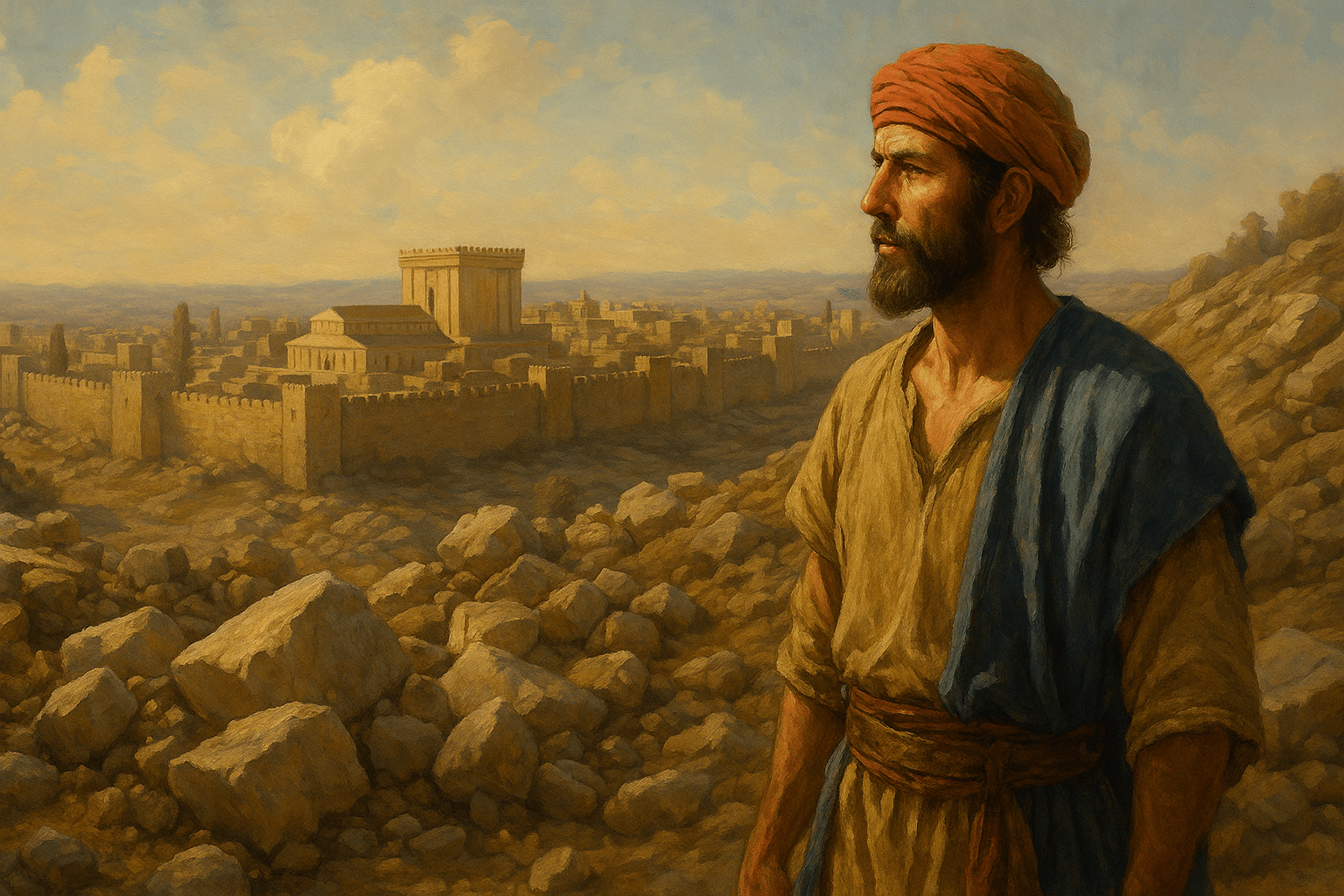
The Gospel According to Nehemiah
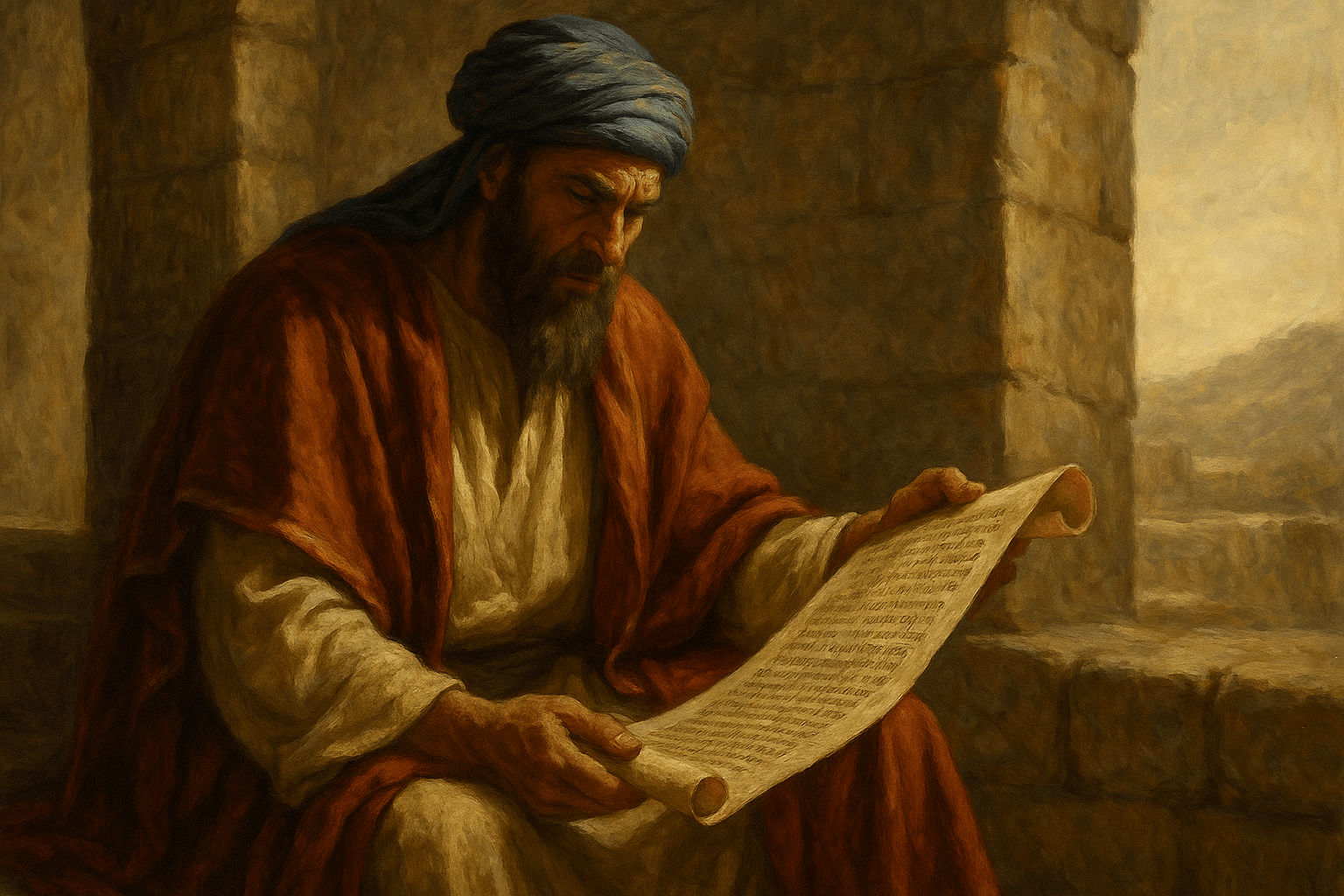
We Need to Clean House Again

The Sabbath Isn’t for Sale

Accountability at the Gates

Worship that Shakes the Streets
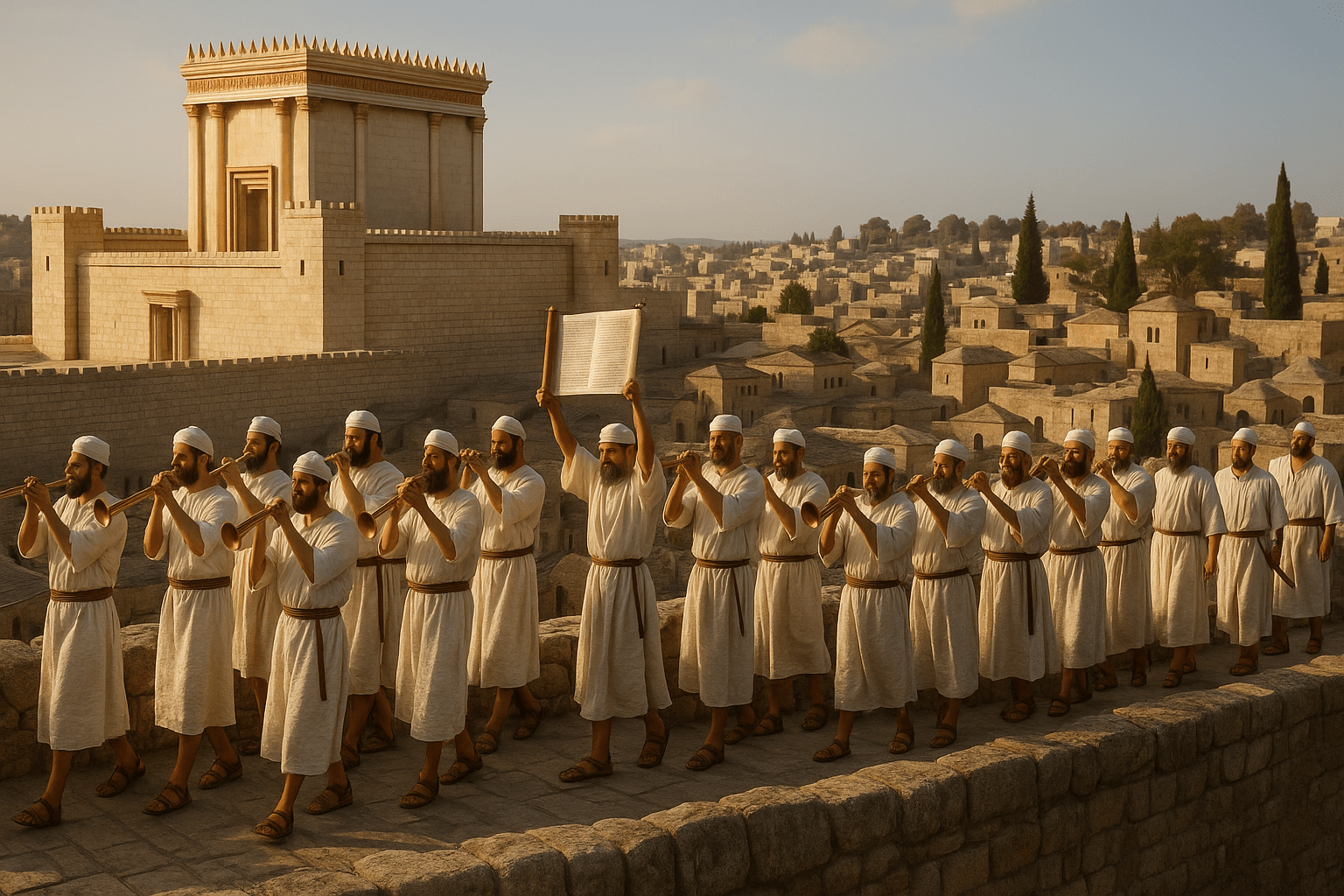
It Takes a City to Raise a Temple

10. Bible Project Videos

Learn More about God’s Grand Narrative
God’s Plan to Restore What He Created