

Job | Psalms | Proverbs | Ecclesiastes | Lamentations | Song of Solomon
The Wisdom Books: The Voice of Covenant Reverence and Reality
From Suffering to Song — Where the Heart Learns to Worship
“The fear of Yahweh is the beginning of wisdom.” — Proverbs 9:10
From the ashes of Job to the songs of Zion, from the questions of Ecclesiastes to the covenant love of Solomon’s song — the Wisdom Books sing the heart of Israel’s faith.
They are the poetry of covenant life: worship in joy, lament in loss, repentance in sorrow, and reverence in awe. Here, truth takes the form of song and struggle, where the fear of the Lord shapes both thought and affection. These writings reveal that wisdom is not the search for answers, but the surrender of trust — to walk rightly with God in every season of life.
On this Page
Introduction
The Wisdom Books stand in the quiet middle of the story — between Israel’s history and her hope. After the thunder of Sinai and before the silence of exile, these writings invite us to listen: to the cry of Job, the songs of David, the counsel of Solomon, the sorrow of Jeremiah, and the love of a covenant renewed in poetry.
Here, faith turns inward. What was written in law and tested in history now becomes formation of the heart. In these pages, the covenant people learn not how to conquer nations, but how to walk faithfully with God through the tension of life in a fallen world. Obedience becomes worship. Suffering becomes trust. Desire becomes devotion.
Yet the Wisdom Books are far more than philosophy or poetry — they are theology in motion. They reveal the mind of God expressed through human emotion. They teach that wisdom begins not in intellect, but in reverence — “the fear of Yahweh is the beginning of wisdom” (Proverbs 9:10). In a world where kings fall and kingdoms crumble, these writings anchor the believer’s soul in the unchanging character of God.
Every major truth introduced in the Law and tested in Israel’s history finds its reflection here:
- Suffering and Sovereignty — Can faith endure when God is silent? (Job)
- Worship and Intimacy — How does praise form a life of obedience? (Psalms)
- Wisdom and Obedience — What does it mean to live rightly in God’s world? (Proverbs)
- Meaning and Mortality — Is there purpose under the sun? (Ecclesiastes)
- Grief and Hope — Can mercy rise from judgment’s ashes? (Lamentations)
- Love and Covenant — How does divine love transform human love? (Song of Solomon)
To study the Wisdom Books is to walk the inward path of discipleship — through joy and lament, through doubt and devotion, through beauty and brokenness — until the heart learns to fear God and find rest in Him. These writings teach us that wisdom is not escape from the world, but faithfulness within it.
They remind us that the God who gave the Law and guided His people through history also shapes hearts through song and sorrow. From suffering to song, from lament to love, the Wisdom Books reveal that true wisdom is learning to worship in every season — and to walk with the Lord until faith becomes sight.
This isn’t just Israel’s poetry.
It’s the songbook of every soul that suffers, seeks, and still believes.
From ashes to alleluias, the Wisdom Books remind us that life’s deepest questions find their answers not in reason, but in reverence.
“The fear of Yahweh is the beginning of wisdom.” — and in every joy and sorrow since, He still calls us to walk with Him.
1. Title, Author, and Date
The Wisdom Books form the poetic and philosophical heart of the Old Testament. They speak when history grows quiet — when Israel’s kings have risen and fallen and the soul must learn again what it means to walk with God. These writings capture life under the covenant not through law or chronicle, but through worship, reflection, and reverent realism.
Name and Canonical Role
In Hebrew tradition, these writings belong to the Ketuvim (“Writings”), the final section of the Tanakh. In Christian order they are called the Wisdom Books or Poetical Books, positioned between Israel’s history and her prophets as the bridge between revelation and response.
They are theology sung, prayed, questioned, and lived.
| Book | Hebrew/Greek Meaning | Covenant Function | Dispensational Setting |
|---|---|---|---|
| Job | “Enemy” or “Persecuted One” | Explores suffering and righteousness under divine sovereignty | Patriarchal Era (Pre-Mosaic) |
| Psalms | Tehillim — “Praises” | Worship and covenant prayer of Israel | United Monarchy → Exile |
| Proverbs | Mishlei — “Sayings” or “Parables” | Instruction in covenant wisdom and daily holiness | Solomonic Period |
| Ecclesiastes | Qoheleth — “The Preacher” | Reflection on meaning and mortality apart from and under God | Late Solomonic Period |
| Lamentations | Ekhah — “How?” (Cry of Grief) | Lament for covenant judgment and hope in mercy | 586 BC (Exilic) |
| Song of Solomon | Shir ha-Shirim — “Song of Songs” | Celebration of covenant love and divine intimacy | Early Reign of Solomon |
Title Meaning and Theological Significance
The term “Wisdom Literature” does not describe speculation or philosophy as the nations knew it; it describes covenant skill in living — the art of applying revealed truth to real life. In Hebrew thought, wisdom (chokmah) means moral craftsmanship, shaping one’s life in harmony with God’s order. These writings teach that wisdom begins in worship and matures through obedience.
They transform Israel’s faith from public ceremony to personal formation. Here, truth is not merely taught but tested — in pain, in praise, in penitence, and in passion.
Authorship
The Wisdom Books were composed by multiple inspired authors over nearly half a millennium, each writing from within the covenant community yet under unique circumstances:
- Job — Traditionally ascribed to Moses or an anonymous patriarchal sage. Internal evidence places it before the giving of the Law.
- Psalms — A collection of worship spanning centuries: David (major contributor), Asaph, Korah’s sons, Solomon, Moses, and post-exilic writers.
- Proverbs — Primarily authored by Solomon (1 Kings 4:32), later arranged and supplemented by Hezekiah’s scribes (Proverbs 25:1) and others.
- Ecclesiastes — Written by Solomon, “son of David, king in Jerusalem,” near the end of his life as a reflection on life lived under the sun.
- Lamentations — Traditionally attributed to Jeremiah, the weeping prophet, eyewitness to Jerusalem’s fall.
- Song of Solomon — Composed by Solomon, celebrating covenant love as a divine gift reflecting God’s faithfulness to His people.
Dates and Composition
These works span from the Patriarchal Age (ca. 2000 BC) to the Exile (586 BC) — from the tents of Uz to the ruins of Jerusalem. The timeline below shows their general placement within redemptive history:
Timeline Overview
| Era | Approx. Date Range | Representative Books | Historical Context |
|---|---|---|---|
| Patriarchal Age | ca. 2000–1800 BC | Job | Wisdom amid suffering before Israel’s formation |
| United Monarchy | ca. 1010–931 BC | Psalms, Proverbs, Song of Solomon | Davidic and Solomonic reigns; worship and instruction flourish |
| Divided Kingdom | ca. 931–722 BC | Ecclesiastes | Philosophical reflection during moral decline |
| Exilic Period | 586 BC | Lamentations | Judah’s fall and prophetic lament |
| Post-Exilic Compilation | ca. 500–450 BC | Final Psalms arrangements | Songs gathered for temple and synagogue worship |
Book Stats: The Wisdom Books at a Glance
| Book | Theme / Focus | Chapters | Approx. Date | Authorship (Traditional) | Covenantal Emphasis |
|---|---|---|---|---|---|
| Job | Trusting God amid suffering and divine silence | 42 | Patriarchal Era (c. 2000 BC) | Anonymous / Moses | Suffering and Sovereignty — righteousness tested under trial |
| Psalms | Worship, lament, and praise across Israel’s story | 150 | c. 1410–450 BC | David, Asaph, Korah, Solomon, Moses, others | Worship and Covenant Prayer — devotion shaped by God’s faithfulness |
| Proverbs | Wisdom for daily life within God’s moral order | 31 | c. 971–686 BC | Solomon, Agur, Lemuel, Hezekiah’s scribes | Wisdom and Obedience — walking rightly in the fear of the Lord |
| Ecclesiastes | Meaning, mortality, and life “under the sun” | 12 | c. 940–931 BC | Solomon (“Qoheleth”) | Meaning and Mortality — perspective shaped by reverence |
| Lamentations | Sorrow over sin, destruction, and divine judgment | 5 | 586 BC | Jeremiah | Grief and Hope — mercy remembered amid judgment |
| Song of Solomon | Covenant love and divine intimacy | 8 | c. 971–965 BC | Solomon | Love and Covenant Joy — purity, devotion, and delight redeemed |
Total: 6 Books | 243 Chapters | ≈ 4,332 Verses | ≈ 61,000 Words
Summary: The Wisdom Books reveal that divine revelation does not end with command or chronology — it continues in communion. They translate the Law’s holiness and History’s lessons into the language of the heart.
If the Pentateuch shows what God requires and the Historical Books show how His people respond, the Wisdom Books show how the faithful soul abides — fearing God, trusting His goodness, and finding meaning in His presence.
To read them is to discover that covenant life is not sustained by power or position, but by worship, humility, and wisdom that begins with the fear of the Lord.
2. Purpose and Themes
The Wisdom Books reveal how faith learns to live between promise and fulfillment.
When the noise of history grows quiet and the questions of the heart grow loud, these writings teach God’s people how to think, feel, and walk in covenant relationship with Him.
They were not written from thrones or battlefields but from caves, classrooms, and tears. Here, doctrine becomes devotion, and obedience becomes intimacy. Through poetry and proverb, lament and love, the Wisdom Books shape the inner life of God’s people so that truth not only governs the mind but forms the soul.
Purpose
The central purpose of the Wisdom Books is to cultivate covenant wisdom—the skill of living faithfully under the fear of the Lord. They teach that genuine wisdom is not human cleverness but divine alignment; it is life ordered by reverence, tested by suffering, and sustained by worship.
These writings move God’s people from information to formation:
- Job teaches us to trust God when answers disappear.
- Psalms trains the heart to worship through every season.
- Proverbs grounds holiness in daily obedience.
- Ecclesiastes strips away illusion to expose meaning found only in God.
- Lamentations transforms grief into prayerful hope.
- Song of Solomon celebrates covenant love as a reflection of divine faithfulness.
Together they reveal that every emotion—sorrow, joy, longing, fear, repentance—is meant to be lived in the presence of Yahweh.
Theological Flow
If the Law shows what holiness requires and the Historical Books show how it’s tested, the Wisdom Books show how it’s experienced within the human heart.
They form the theology of worship, the ethics of wisdom, and the poetry of perseverance.
Creation → Fall → Redemption → Restoration
| Movement | Emphasis | Expression in the Wisdom Books |
|---|---|---|
| Creation | God’s order and design define true wisdom | Proverbs 8:22–31 — Wisdom present at creation |
| Fall | Human limitation and vanity under the curse | Ecclesiastes 1:2 — “Vanity of vanities…” |
| Redemption | Trust, repentance, and hope in God’s mercy | Psalms 51; Lamentations 3 |
| Restoration | Love, joy, and eternal communion | Song of Solomon 8; Psalm 145 |
Major Doctrines and Themes
- The Fear of the Lord — Reverence is the foundation of wisdom (Prov 9:10). Knowledge divorced from awe becomes folly.
- Sovereignty and Suffering — God’s rule extends even to pain; His silence is not absence (Job 38–42).
- Worship and Prayer — True spirituality gives voice to every emotion; lament and praise are twin languages of faith (Psalms).
- Wisdom and Obedience — God’s truth shapes daily ethics—speech, integrity, relationships, and justice (Proverbs).
- Meaning and Mortality — Apart from God, life is vapor; under Him, it becomes vocation (Ecclesiastes 12:13).
- Grief and Hope — Judgment cannot cancel mercy; lament leads to renewal (Lamentations 3:21–24).
- Love and Covenant Faithfulness — Human intimacy mirrors divine steadfastness (Song of Solomon 8:6–7).
Doctrinal Contributions
| Category | Contribution |
|---|---|
| Theology Proper | God is holy, sovereign, and personally involved in human experience. |
| Anthropology | Humanity is finite yet capable of communion with the Infinite. |
| Hamartiology | Sin distorts reason, emotion, and desire; wisdom restores moral order. |
| Soteriology | Salvation produces formation—trust refined through trial. |
| Christology | Christ is the Wisdom of God (1 Cor 1:24); He fulfills every song, sorrow, and search for meaning. |
| Ecclesiology | God’s people are a worshiping, lamenting, learning community shaped by truth and tenderness. |
| Eschatology | True wisdom looks beyond the sun toward restoration and resurrection. |
Summary: The Wisdom Books transform theology into relationship.
They show that faith is not a shield from life’s questions but a path through them.
In every song and sigh, they remind us that the fear of the Lord is both the beginning and the end of wisdom—
and that to know Him is to live well, love deeply, and worship truly.
3. Outline
The Wisdom Books form the lyrical and theological center of the Old Testament — where the faith once revealed in law and tested in history becomes the song and struggle of the human soul.
Together they trace the formation of covenant wisdom: from questions to worship, from lament to love, from suffering to song.
A. Analytical Outline – The Structure of Wisdom
Each book unfolds a unique expression of life under the covenant.
While the Pentateuch gives Israel the law and the Historical Books record its testing, the Wisdom Books reveal how the heart learns to live the truth.
| Book | Structure Overview | Focus |
|---|---|---|
| Job – Trusting God in Suffering | 1–2 Prologue: Job’s righteousness and calamity3–31 Dialogues: Job and his friends wrestle with divine justice32–37 Elihu’s discourse on suffering and sovereignty38–42 Yahweh speaks; Job humbles himself and is restored | Suffering and Sovereignty — Faith refined by fire |
| Psalms – Worship and Covenant Prayer | Book I (1–41) Individual lament and trustBook II (42–72) National reflection and royal hopeBook III (73–89) Crisis and covenant remembranceBook IV (90–106) Yahweh’s reign over creationBook V (107–150) Restoration and praise | Worship and Prayer — Every season of the soul before God |
| Proverbs – The Path of Wisdom | 1–9 Fatherly exhortations10–22:16 Proverbs of Solomon22:17–24:34 Sayings of the wise25–29 Hezekiah’s collection30–31 Agur’s humility and Lemuel’s virtuous woman | Wisdom and Obedience — The fear of the Lord lived daily |
| Ecclesiastes – Meaning in the Midst of Mortality | 1–6 Observations of life “under the sun”7–11 Counsel for living wisely amid vanity12 Final call: Fear God and keep His commandments | Meaning and Mortality — Truth beneath the surface of life |
| Lamentations – Grief and Hope in Exile | 1 Jerusalem’s desolation2 God’s righteous anger3 The prophet’s lament and hope4 Past ruin remembered5 Prayer for restoration | Grief and Hope — Mercy remembered in the ruins |
| Song of Solomon – Covenant Love and Delight | 1:1–3:5 Anticipation and pursuit3:6–5:1 Consummation and joy5:2–8:4 Separation and renewal8:5–14 Covenant seal and enduring love | Love and Covenant Joy — The beauty of faithfulness redeemed |
B. Narrative Flow Outline – The Story of Wisdom
Though each book stands on its own, together they compose one unified journey — a pilgrimage of faith through every dimension of human experience.
| Movement | Summary | Spiritual Formation Focus |
|---|---|---|
| 1. The Question of Suffering (Job) | The story begins in the ashes. A righteous man loses everything yet discovers that wisdom begins in surrender, not in explanation. | Doctrine: God is sovereign even in silence. |
| 2. The Song of Worship (Psalms) | Out of pain rises praise. The Psalms give language to the soul — from lament to hallelujah — teaching that worship is faith’s most honest form. | Devotion: Prayer transforms emotion into trust. |
| 3. The Way of Wisdom (Proverbs) | The covenant becomes practical. Proverbs grounds holiness in daily choices, revealing that righteousness is lived one decision at a time. | Daily Walk: Integrity is the fruit of reverence. |
| 4. The Search for Meaning (Ecclesiastes) | Human striving meets divine reality. The Preacher exposes the emptiness “under the sun” and leads the reader to fear God above all else. | Doctrine: Meaning is found only in the Creator. |
| 5. The Lament of Judgment (Lamentations) | When the city falls, faith clings to mercy. Lament becomes liturgy, and tears become testimony that God’s steadfast love never ceases. | Devotion: Hope is born in repentance. |
| 6. The Song of Love (Song of Solomon) | Wisdom culminates in love. Covenant affection mirrors divine faithfulness — the intimacy of God with His redeemed people. | Daily Walk: Holiness blooms through purity and joy. |
C. Canonical Flow
The Wisdom Books bridge the Historical and Prophetic writings, forming the spiritual core of Scripture.
They do not advance the storyline chronologically but theologically — showing how covenant life is lived from the inside out.
Law → History → Wisdom → Prophets
Command → Chronicle → Communion → Consummation
The wisdom revealed here looks forward to Christ, “in whom are hidden all the treasures of wisdom and knowledge” (Colossians 2:3).
Summary: The Wisdom Books teach us that life with God cannot be reduced to formulas.
They invite us to walk by faith when life confuses, to sing when sorrow lingers, and to love when hope seems dim.
From suffering to song, from lament to love, they form the soundtrack of covenant life — worship in every season, wisdom in every step.
4. Key Themes and Theological Contributions
The Wisdom Books are the theology of covenant life lived out in the tension between heaven’s truth and earth’s trials.
They explore how the redeemed heart worships, suffers, thinks, and loves under God’s rule.
Together they transform orthodoxy into doxology — turning truth into trust and doctrine into daily devotion.
Theological Arc
Creation → Fall → Redemption → Restoration
| Stage | Divine Reality | Human Response in the Wisdom Books | Representative Texts |
|---|---|---|---|
| Creation | God orders the universe through wisdom; His design gives meaning and moral order. | Reverence for the Creator shapes righteous living. | Proverbs 8:22–31 ; Psalm 19:1–11 |
| Fall | Sin fractures creation and clouds human understanding. | Life “under the sun” feels futile apart from God. | Job 3 ; Ecclesiastes 1:2 |
| Redemption | God meets His people in mercy through worship, repentance, and faith. | Lament and praise become acts of restored communion. | Psalm 51 ; Lamentations 3:21–24 |
| Restoration | God promises renewal and covenant joy through love and resurrection hope. | Faith learns to rejoice again in His steadfast love. | Song of Solomon 8:6–7 ; Psalm 145 |
Doctrinal Themes
- The Fear of the Lord — The starting point of true wisdom (Prov 9:10). Knowledge without reverence leads to pride; reverence births obedience.
- Sovereignty and Suffering — Job shows that divine justice and human pain coexist within God’s mysterious wisdom.
- Worship and Prayer — The Psalms teach that praise and lament are twin expressions of faith; every emotion finds a home before God.
- Wisdom and Ethics — Proverbs grounds holiness in habit: words, work, wealth, and relationships shaped by righteousness.
- Meaning and Mortality — Ecclesiastes exposes the vanity of self-centered living and calls us to eternal perspective.
- Grief and Hope — Lamentations transforms loss into liturgy, declaring that Yahweh’s compassions never fail.
- Love and Covenant Faithfulness — Song of Solomon celebrates human love as a reflection of divine fidelity — a foretaste of Christ and His Bride.
⚔️ Major Rebellions and Turning Points
| Crisis of Faith | Description | Redemptive Outcome |
|---|---|---|
| Job’s Friends’ Error | They defend human logic over divine wisdom (Job 42:7). | God reveals that true counsel begins in humility, not certainty. |
| Ecclesiastes’ Vanity | Life “under the sun” pursued apart from God ends in emptiness (Eccl 1:2). | The Preacher concludes: “Fear God and keep His commandments.” |
| Jerusalem’s Lament | Covenant people mourn judgment in Lamentations 1–2. | Repentance births renewed hope — “Great is Your faithfulness.” |
📌 Memory Verse
Proverbs 3:5–6 (LSB)
“Trust in Yahweh with all your heart and do not lean on your own understanding.
In all your ways acknowledge Him, and He will make your paths straight.”
This verse captures the heartbeat of the Wisdom Books — trust that walks, faith that thinks, obedience that sings.
Doctrinal Contributions
| Field of Theology | Contribution from the Wisdom Books |
|---|---|
| Theology Proper | Reveals God as holy, sovereign, and intimately involved in human experience. |
| Anthropology | Portrays humanity as rational yet fragile, emotional yet accountable — image-bearers shaped by worship. |
| Hamartiology | Defines sin as both moral rebellion and spiritual foolishness — the rejection of divine order. |
| Soteriology | Demonstrates salvation as relational trust — righteousness lived by faith amid suffering. |
| Christology | Anticipates Christ as the Wisdom of God (1 Cor 1:24), the True Singer of Psalms, the Innocent Sufferer, and the Faithful Bridegroom. |
| Pneumatology | Implies the Spirit’s role in illumination — wisdom as Spirit-given insight (Job 32:8). |
| Ecclesiology | Forms a worshiping, learning community that prays, repents, and rejoices together. |
| Eschatology | Looks beyond the present to the restoration of creation and the reign of perfect wisdom in Christ’s kingdom. |
Summary: The Wisdom Books bring theology down to the level of breath and heartbeat.
They remind us that God’s truth is not abstract — it sings, it weeps, it wrestles.
Through them we learn that the fear of the Lord is not terror but trust, not distance but devotion.
Here wisdom is no longer a theory; it is a way of walking with God until every question ends in worship.
5. Christ in the Wisdom Books
Every poem, proverb, and lament whispers the name of Christ.
The Wisdom Books look beyond the experiences of Job, David, Solomon, and Jeremiah to the One who embodies divine wisdom, bears human sorrow, and fulfills every longing of the covenant heart.
Here the shadows of suffering, worship, and love find their light in Jesus — the Wisdom of God made flesh (1 Corinthians 1:24).
Typological and Prophetic Fulfillment
| Type or Motif | Foreshadowing in the Wisdom Books | Fulfillment in Christ | Key Texts | Doctrinal Significance | Reflection |
|---|---|---|---|---|---|
| The Innocent Sufferer | Job endures loss without cause, intercedes for his friends, and is vindicated by God. | Jesus, the sinless Sufferer, bears unjust suffering and becomes our righteous Intercessor. | Job 19:25-27 ; Isaiah 53:4-6 ; 1 Peter 2:22-24 | Shows redemptive suffering — righteousness vindicated through resurrection. | In Job’s ashes we see the Cross; in his restoration we glimpse the empty tomb. |
| The Perfect Worshiper | The Psalms express perfect praise, lament, and trust in covenant faithfulness. | Christ prays the Psalms, fulfills them, and becomes the eternal Song of His people. | Psalm 22 ; Psalm 110 ; Luke 24:44 ; Hebrews 2:12 | Christ unites divine and human worship — the Mediator of praise. | Every lament turns to hallelujah in His mouth. |
| The Wisdom of God | Proverbs personifies Wisdom as divine and eternal, delighting in creation. | Jesus is the incarnate Wisdom by whom all things were made (John 1:1-3). | Proverbs 8:22-31 ; 1 Corinthians 1:24 ; Colossians 2:3 | Reveals that wisdom is personal — found in Christ, not concept. | To know Him is to walk wisely in a foolish world. |
| The Preacher of Truth | Ecclesiastes searches for meaning “under the sun.” | Jesus, the true Qoheleth, brings light to futility: “I have come that they may have life.” | Ecclesiastes 12:13-14 ; John 10:10 ; John 8:12 | Christ redeems purpose — life regained through eternal perspective. | What was vanity becomes vocation in Him. |
| The Man of Sorrows | Lamentations voices grief over sin and judgment, crying for mercy. | Christ weeps over Jerusalem and bears her judgment on the Cross. | Lamentations 3:22-24 ; Luke 19:41-44 ; 2 Corinthians 5:21 | Demonstrates that mercy triumphs through sacrifice. | His tears purchase our hope; His compassion our comfort. |
| The Faithful Bridegroom | The Song of Solomon portrays covenant love — exclusive, enduring, delighting. | Christ loves His Bride, the Church, with perfect, purifying devotion. | Song of Solomon 8:6-7 ; Ephesians 5:25-27 ; Revelation 19:7 | Marriage becomes a mystery of redemption — divine love revealed. | The flame of Solomon’s song burns eternal at the marriage supper of the Lamb. |
Doctrinal Summary
| Doctrine | Revelation in the Wisdom Books | Fulfillment in Christ |
|---|---|---|
| Theology Proper | God’s wisdom governs creation and history. | Christ is the revealed Wisdom and Logos of God (John 1:1-3). |
| Christology | Anticipates a righteous Sufferer, eternal King, and faithful Lover. | Jesus fulfills each role: Sufferer (Job), Singer (Psalms), Sage (Proverbs), Preacher (Ecclesiastes), Mourner (Lamentations), Bridegroom (Song). |
| Soteriology | Redemption portrayed through repentance, sacrifice, and steadfast love. | Salvation accomplished through Christ’s death, resurrection, and covenant love. |
| Pneumatology | Wisdom and understanding come by the Spirit’s breath (Job 32:8). | The Spirit of Christ imparts wisdom and truth to believers (John 16:13). |
| Eschatology | Foreshadows restoration and everlasting joy. | Christ returns as reigning Wisdom and consummate Love (Revelation 21–22). |
Reflection
Christ is the living answer to every question the Wisdom Books ask.
He is Job’s Redeemer, David’s Shepherd, Solomon’s Wisdom, Jeremiah’s Hope, and the Bridegroom of every believing heart.
In Him, lament becomes praise, questions find peace, and love is perfected in eternal joy.
Restoration Connection
The Wisdom Books look forward to the day when divine wisdom reigns openly and love is unbroken.
Their songs echo through eternity in Revelation 21–22, where sorrow is silenced and the Lamb Himself becomes the light of restored creation.
The wisdom once sung in shadow will one day be seen in glory — for in Christ, the Redeemer and Bridegroom, the story of wisdom ends in worship.
6. Historical and Literary Notes
The Wisdom Books stand apart from the rest of the Old Testament — not because they are less inspired, but because they are more introspective.
They step out of Israel’s national story and into the universal human story, exploring what it means to live faithfully in a world under the curse yet governed by divine wisdom.
Where the Law gives command and History gives consequence, Wisdom gives contemplation.
Genre and Structure
The Wisdom Books form the poetic core of Scripture. They are written in parallelism rather than prose, using imagery, rhythm, and metaphor to express theological truth through beauty.
They blend art and revelation, emotion and doctrine — truth that sings and sighs, rejoices and repents.
| Book | Primary Genre | Form / Literary Style | Purpose |
|---|---|---|---|
| Job | Epic Poetic Dialogue | Framed narrative of suffering and divine discourse | To reveal God’s sovereignty and man’s humility |
| Psalms | Hebrew Poetry / Hymnody | Parallelism, acrostics, laments, doxologies | To shape worship and give language to devotion |
| Proverbs | Instructional Wisdom | Couplets, contrast, metaphor | To train in moral skill and covenant obedience |
| Ecclesiastes | Philosophical Monologue | Autobiographical reflection, refrain “under the sun” | To confront the futility of life without God |
| Lamentations | Acrostic Lament | Alphabetic dirges, communal grief | To teach repentance and hope in judgment |
| Song of Solomon | Love Poetry / Dramatic Dialogue | Alternating voices of bride and groom | To celebrate covenant love and purity |
Poetry in Hebrew thought was not escape from theology — it was theology expressed through artistry.
In every stanza, the structure mirrors the Creator’s order, proving that form itself can teach truth.
Ancient Near Eastern (ANE) Context
The world of the Wisdom Books was filled with other wisdom traditions — Egyptian, Mesopotamian, and Canaanite. Yet Israel’s wisdom stands radically apart.
| Cultural Parallels | Examples | Contrast with Biblical Wisdom |
|---|---|---|
| Egyptian Wisdom | Instruction of Amenemope and The Maxims of Ptahhotep — moral guidance for social harmony | Israel’s wisdom is covenantal, grounded in the fear of Yahweh, not pragmatic virtue. |
| Mesopotamian Theodicy Literature | Ludlul Bēl Nēmeqi (“I Will Praise the Lord of Wisdom”) — a Babylonian parallel to Job | Israel’s Job finds meaning not in appeasing gods, but in trusting the sovereign Creator. |
| Canaanite Love Poetry | Ugaritic texts celebrating fertility and divine passion | Song of Solomon transforms human love into a sacred reflection of divine faithfulness. |
| Royal Hymns and Psalms | Ancient kings praised their gods for victory | The Psalms enthrone Yahweh alone as the righteous King over all nations. |
Thus, biblical wisdom redefines the concept entirely: it is not advice from sages but revelation from God.
The fear of Yahweh — not human insight — is the beginning of wisdom (Proverbs 1:7).
👤 Key Figures Sidebar
| Figure | Role in the Wisdom Literature | Theological Significance |
|---|---|---|
| Job | Righteous sufferer who confronts divine silence | Prefigures Christ as the innocent intercessor and vindicated Redeemer |
| David | Chief psalmist and king after God’s heart | Models worship, repentance, and messianic hope |
| Solomon | Sage-king and author of Proverbs, Ecclesiastes, and Song | Embodies divine wisdom yet warns of divided devotion |
| Qoheleth (“The Preacher”) | The philosophical voice of Ecclesiastes | Exposes life’s vanity apart from fearing God |
| Jeremiah | Prophet of lament and author of Lamentations | Personifies repentance and faithful grief |
| The Bride and Bridegroom | Central figures of the Song of Solomon | Foreshadow Christ and the Church — covenant love perfected in union |
Literary Design and Theology
Hebrew poetry functions through parallelism, not rhyme — thought that echoes, contrasts, or intensifies itself.
Each line builds upon the next, forming theological rhythm.
Acrostic structures (as in Lamentations and Psalms 119) demonstrate that divine order still governs human chaos — from aleph to tav.
The Wisdom Books also employ chiasm, repetition, and inclusio (bookending) to reinforce theological truths:
- Job: Begins and ends in blessing — suffering framed by sovereignty.
- Psalms: Begins with obedience (Psalm 1) and ends with praise (Psalm 150).
- Proverbs: Begins with fear of the Lord and ends with the ideal of covenant womanhood.
- Ecclesiastes: Circles from vanity to reverence — futility overturned by fear of God.
- Lamentations: Moves from devastation to declaration — “Great is Your faithfulness.”
- Song of Solomon: Progresses from longing to union — a picture of redemption’s joy.
Every poetic structure reveals that divine truth is not only proclaimed but patterned — wisdom has both logic and beauty.
Historical Setting and Transmission
| Era | Setting | Historical Significance |
|---|---|---|
| Patriarchal (Job) | Early Semitic world before the Law | Illustrates pre-Mosaic faith and divine justice |
| Monarchic (Psalms, Proverbs, Song) | United Kingdom of David and Solomon | Marks the golden age of worship and wisdom |
| Divided Kingdom (Ecclesiastes) | Late reign of Solomon and moral decline | Reflects introspection in prosperity and fall |
| Exilic (Lamentations) | 586 BC — Jerusalem’s destruction | Expresses prophetic sorrow and national repentance |
| Post-Exilic (Psalms compilation) | 5th century BC temple restoration | Final arrangement for worship in the Second Temple |
The collection and transmission of these writings were guided by priests, prophets, and sages under divine inspiration. By the post-exilic period, they formed Israel’s prayerbook and school of the soul — Scripture that shaped both heart and community.
Summary: The Wisdom Books remind us that truth is not only proclaimed in sermons or statutes — it is sung, wept, questioned, and lived.
Their artistry teaches theology; their humanity teaches holiness.
They show that God’s revelation touches every corner of existence — from the anguish of Job to the intimacy of Solomon, from lament to love, from fear to faith.
To read them historically is to see God’s hand in the heart’s story.
To read them literarily is to hear His voice in the rhythm of life.
Together they declare that divine wisdom is not hidden in heaven — it is woven into every honest word, every tear of trust, every song of praise.
7. Applications for Today
The Wisdom Books are not ancient poetry preserved for scholars — they are living instruction for disciples.
They teach us how to think in a world that confuses wisdom with information, how to worship when emotions shift like the wind, and how to love in covenant faithfulness when culture forgets what covenant means.
Here, faith becomes formation, and truth becomes a way of life.
Doctrine — Truth to Believe
- Wisdom Begins with Reverence True knowledge starts not with intellect but humility — “The fear of Yahweh is the beginning of wisdom” (Proverbs 9:10). Every decision, ambition, and discipline must flow from awe before the Creator who orders all things.
- God’s Sovereignty Extends to Suffering Like Job, we learn that God’s silence is not His absence. He remains faithful even when His purposes are unseen. Suffering becomes sanctifying when it deepens trust instead of bitterness.
- Worship Is the Language of the Redeemed The Psalms teach us that prayer is not performance but participation in God’s presence. Every emotion — joy, anger, fear, or grief — is meant to be brought before Him in honesty and faith.
- Wisdom Is Ethical and Practical Proverbs grounds holiness in habit — integrity at work, purity in relationships, diligence in stewardship, and grace in speech. Righteousness is not abstract; it is lived daily in the details.
- Life Finds Meaning in the Eternal Ecclesiastes warns that everything “under the sun” fades. Only what is done for God endures. The pursuit of pleasure without purpose leaves the soul empty; purpose anchored in eternity fills it with joy.
Devotion — Heart to Love
- Worship through Every Season Sing when it’s easy, lament when it’s hard, and trust when you cannot see. The Psalms remind us that praise and pain can coexist in the same breath.
- Let Prayer Form Your Emotions The Wisdom Books teach emotional discipleship — that our feelings are meant to be shaped by truth, not to shape it. Lament becomes a doorway to deeper intimacy with God.
- Love as Covenant, Not Convenience The Song of Solomon transforms affection into faithfulness. Love that mirrors God’s steadfastness becomes holy ground. Devotion to God overflows into integrity toward others.
- Hope through Tears Lamentations assures us that grief is not faithlessness. It is faith holding on in the dark — declaring, “Great is Your faithfulness.” In sorrow, the believer learns to rest in mercy that renews every morning.
Reflection:
Devotion begins where pride ends. The fear of the Lord is not distance but delight — a humble nearness that turns obedience into worship.
Daily Walk — Life to Live
- Walk Honestly — Live with transparency before God and others. Wisdom demands truth in the inward parts (Psalm 51:6).
- Walk Patiently — Endure the refining seasons; faith that waits becomes faith that shines (Job 23:10).
- Walk Purely — Guard the heart; love God first, and every lesser love will find its order (Proverbs 4:23).
- Walk Joyfully — Rejoice in small graces; gratitude is the posture of wisdom (Psalm 103:2).
- Walk Hopefully — Look beyond the sun; every lament will one day turn to laughter (Ecclesiastes 12:13–14; Revelation 21:4).
To walk wisely is to walk slowly — listening, fearing, loving, and trusting in step with the Spirit.
Faith & Culture
In an age that prizes information over insight, speed over reflection, and self-expression over self-control, the Wisdom Books call believers to a different path.
They teach clarity in confusion, humility in achievement, integrity in temptation, and reverence in a culture of irreverence.
Proverbs still trains leaders, Psalms still heals the anxious, and Job still steadies the suffering.
Faithful presence today begins with quiet wisdom — living distinctly, thinking truthfully, and loving steadfastly in a foolish world.
Summary: The Wisdom Books shape disciples who can worship in the storm, think clearly in confusion, and love purely in a corrupt age.
They remind us that holiness is not only moral purity but moral poetry — a life ordered by reverence and sustained by grace.
To live wisely is to live beautifully, for every wise heart becomes a living proverb written by the hand of God.
8. Walking It Out: Living the Truth of the Wisdom Books
A Shoe Leather Discipleship Reflection
The Wisdom Books teach us that walking with God is not a sprint through certainties but a pilgrimage through mystery.
Here, theology puts on work boots. Job’s ashes, David’s songs, Solomon’s sayings, and Jeremiah’s tears all become holy ground — where truth is proven by trust and faith matures into friendship with God.
These writings invite us to live wisely in a world that often makes no sense, to worship when understanding fails, and to love faithfully when feelings fade.
Wisdom is not found in having all the answers, but in walking with the One who is the Answer.
Doctrine — Truth to Believe
- God’s Wisdom Is Perfect — He governs creation and our lives with flawless purpose, even when His plan remains hidden (Job 38–42).
- The Fear of the Lord Is Foundational — All true knowledge begins with reverent awe (Proverbs 1:7). Wisdom is not acquired; it is received.
- Christ Is the Wisdom of God — Every proverb, psalm, and lament finds its completion in Him (1 Corinthians 1:24). The cross is where divine wisdom and divine love meet.
- Revelation Invites Relationship — Wisdom is not merely moral skill; it is covenant fellowship with the living God who speaks through His Word and Spirit.
Sound doctrine becomes formation when the mind bows before majesty.
Devotion — Heart to Love
- Worship Honestly — Like the psalmists, bring every emotion before God. Praise is faith’s language; lament is faith’s honesty.
- Trust Completely — Job’s endurance teaches that worship can survive the silence. The truest devotion is surrendered trust.
- Love Faithfully — The Song of Solomon shows that covenant love is sacred. To love as God loves is to reflect His own heart of steadfast mercy.
- Hope Patiently — Lamentations reminds us that grief can coexist with grace. “His compassions never fail; they are new every morning.”
Devotion is doctrine with warmth — truth that breathes through love.
Daily Walk — Life to Live
- Walk Humbly. Wisdom grows in soil watered by humility. Admit your limits; depend on His guidance (Prov 3:5-6).
- Walk Honestly. Let integrity guard every word and decision (Proverbs 10:9). Character is the visible shape of unseen worship.
- Walk Hopefully. Even in suffering, expect redemption. The God who restored Job still restores hearts.
- Walk Purely. In a culture that mocks holiness, live with covenant loyalty and moral beauty.
- Walk Gratefully. Let worship mark ordinary life — gratitude turns daily routines into sacred rhythm.
Every wise step is an act of worship — a confession that God’s way is right even when it is hard.
Summary: To live the truth of the Wisdom Books is to walk with open hands and steadfast heart — fearing God, loving His Word, and trusting His goodness when life seems crooked.
Wisdom does not remove mystery; it redeems it.
The path of the wise is not without pain, but it is never without purpose.
Each step becomes sacred when walked with reverence and joy before the Lord.
“He has told you, O man, what is good; and what does Yahweh require of you but to do justice, to love kindness, and to walk humbly with your God?” — Micah 6:8
9. Shoe Leather Gospel on The Wisdom Books

Friendship on the Road
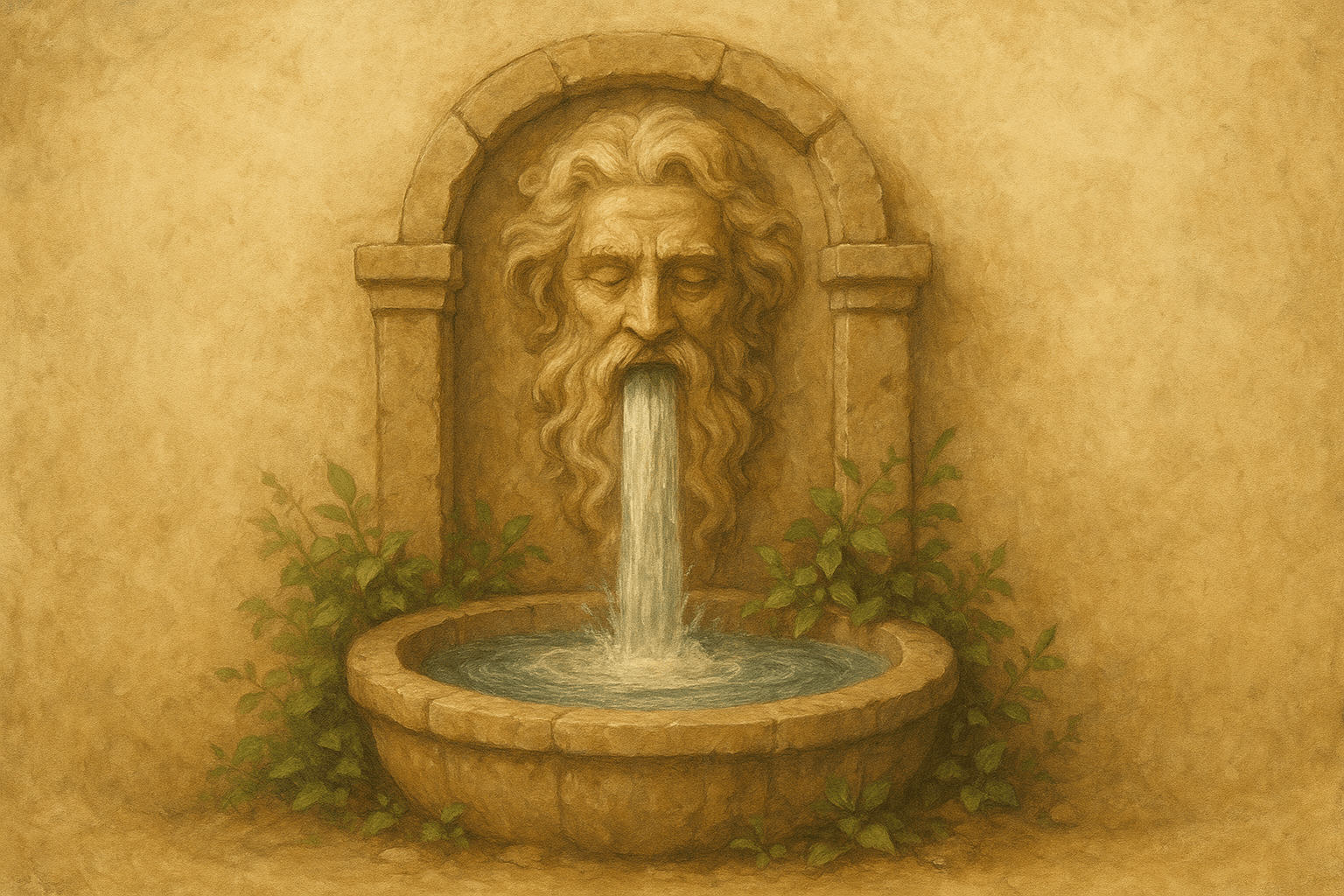
The Mouth of the Righteous Is a Fountain of Life

A Good Name Is Better Than a Big Name


Life and Death Are in the Power of the Tongue
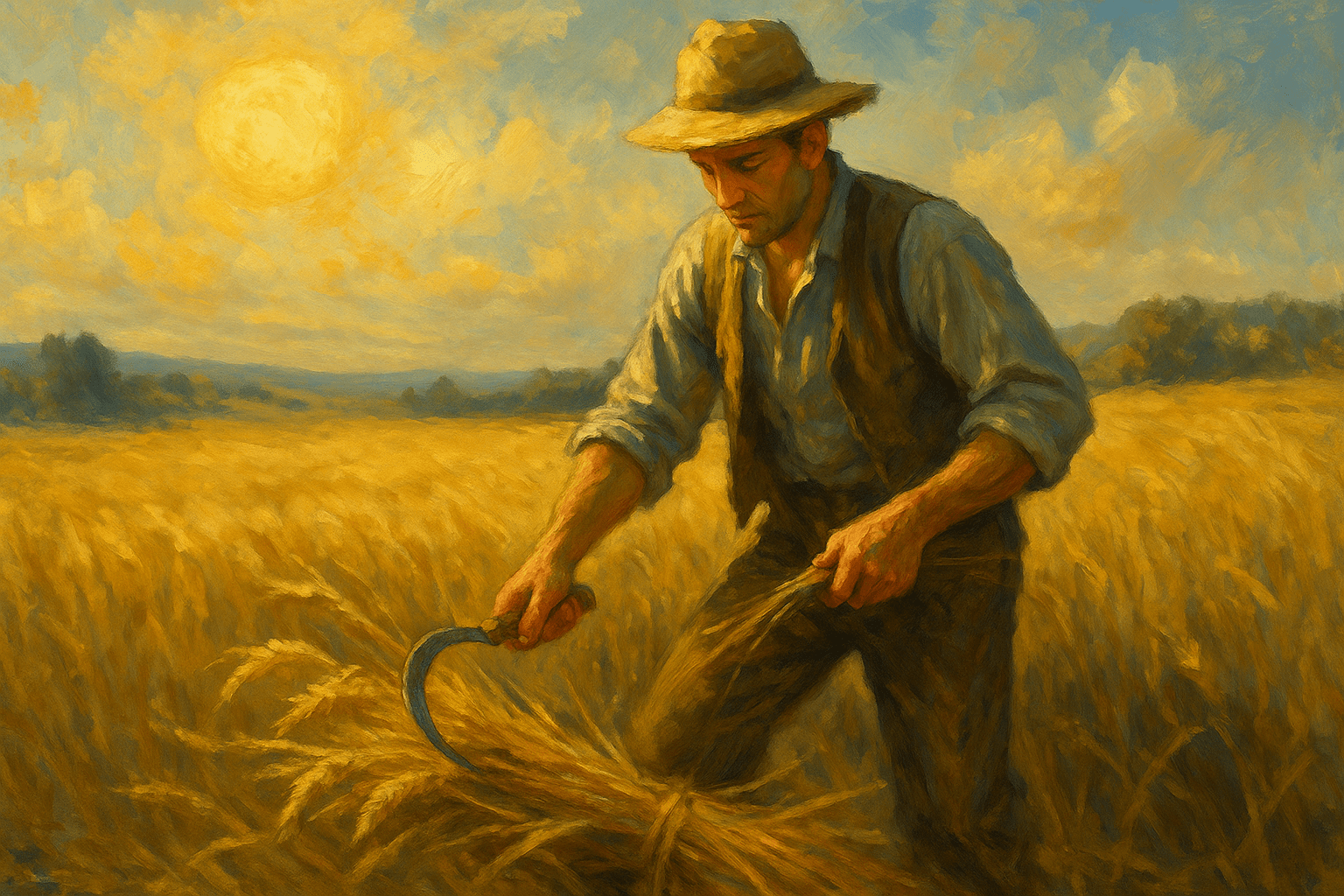
Hard Work Brings Profit, Talk Brings Poverty

10. Bible Project Videos

Learn More about God’s Grand Narrative
God’s Plan to Restore What He Created